











































































































































































Aloe vera is far more than a common houseplant or a cosmetic ingredient. Revered across civilizations and studied extensively by modern science, this resilient succulent has a fascinating history, unique biological traits, and a wide range of applications that extend beyond health and skincare. Its enduring relevance reflects a rare intersection of traditional wisdom and contemporary scientific validation. The following facts highlight why aloe vera remains one of the most intriguing and valuable plants in the world.
1. Aloe vera is one of the oldest medicinal plants known to humanity
Historical records indicate that aloe vera has been used for medicinal purposes for over 6,000 years. Ancient Egyptian texts referred to it as the “plant of immortality”, and it was commonly included in burial rituals for pharaohs. Its use later spread to Greek, Roman, Chinese, and Indian civilizations, cementing its global significance long before modern medicine emerged. This widespread historical adoption underscores aloe vera’s foundational role in the development of early therapeutic systems.
2. It is not a cactus, despite its appearance
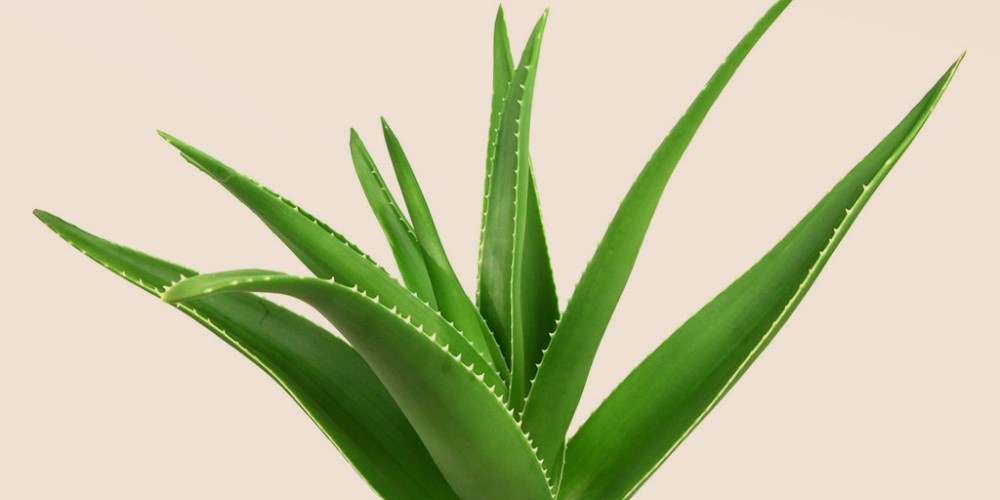
Although aloe vera closely resembles a cactus, it actually belongs to the Asphodelaceae family, making it a succulent rather than a cactus. Its thick, fleshy leaves are adapted to store water, allowing the plant to survive in arid and semi-arid climates with minimal rainfall. This adaptation explains its remarkable hardiness and popularity in dry regions across the world.
3. Aloe vera gel is approximately 99% water
The clear gel found inside aloe vera leaves is composed of about 99% water. The remaining 1% contains more than 75 biologically active compounds, including vitamins, minerals, enzymes, amino acids, polysaccharides, and antioxidants, which contribute to its therapeutic properties. This unique composition makes aloe vera both deeply hydrating and biologically potent.
4. There are over 500 species of aloe
Aloe vera is just one species within a large genus that includes more than 500 varieties. However, Aloe barbadensis miller (commonly known as aloe vera) is the most widely cultivated and researched due to its superior medicinal and cosmetic value compared to other species. Its dominance in research and commerce reflects its exceptional concentration of beneficial compounds.
5. Aloe vera can survive for years without water
Thanks to its exceptional water-retention ability, aloe vera can survive prolonged periods of drought. The plant closes its leaf pores during hot conditions to reduce moisture loss, a process known as crassulacean acid metabolism (CAM), which enhances its survival in harsh environments. This physiological mechanism places aloe vera among the most efficient water-conserving plants known.
6. It has natural antibacterial and antifungal properties
Aloe vera contains compounds such as anthraquinones and saponins that exhibit antimicrobial activity. These substances help protect the plant from infections in nature and are also responsible for aloe’s effectiveness in inhibiting the growth of certain bacteria and fungi when used topically. Such properties contribute significantly to its widespread use in wound care and skin protection.
7. Aloe vera was used by famous historical figures
Prominent historical figures such as Cleopatra reportedly used aloe vera as part of their beauty routines. Alexander the Great is said to have conquered the island of Socotra largely to secure a supply of aloe vera to treat soldiers’ wounds, underscoring its strategic and medicinal importance in ancient warfare. These accounts highlight aloe vera’s value not only in personal care but also in military medicine.
8. The yellow sap is different from the clear gel
Beneath the aloe vera leaf skin lies a yellow, bitter sap known as latex, which is distinct from the clear inner gel. This latex contains aloin, a compound with strong laxative effects. While the gel is widely used for health and skincare, the latex must be processed carefully due to its potency. This distinction is critical for safe consumption and responsible product formulation.
9. Aloe vera is widely used in space research
Aloe vera has been studied by space agencies due to its air-purifying properties and ability to release oxygen at night. Its resilience and minimal maintenance requirements make it a candidate plant for controlled environments, including space stations and long-duration missions. Such research illustrates the plant’s potential role in sustaining life beyond Earth.
10. It is one of the most common ingredients in skincare products
Globally, aloe vera is a cornerstone ingredient in creams, lotions, sunscreens, soaps, and shampoos. Its soothing, moisturizing, and cooling properties make it particularly valuable for sensitive skin, sunburn treatment, and post-procedure skincare. Consumer demand continues to rise as awareness of gentle, plant-based skincare grows.
11. Aloe vera can improve soil quality
When grown in gardens, aloe vera contributes to soil health by preventing erosion and improving moisture retention. Its shallow root system helps stabilize soil in dry regions, making it both an ornamental and environmentally beneficial plant. This ecological benefit enhances its value beyond personal and commercial use.
12. It produces flowers under the right conditions
Although often overlooked, aloe vera can produce tall flower spikes with tubular yellow, orange, or red blossoms. Flowering usually occurs in mature plants exposed to sufficient sunlight and favorable growing conditions, adding to the plant’s ornamental appeal. These blooms also attract pollinators, supporting local biodiversity.
13. Aloe vera has cultural and spiritual significance
In many cultures, aloe vera is associated with protection, luck, and healing. In parts of Africa and Asia, aloe plants are traditionally placed at entrances of homes to ward off negative energy and promote well-being. Such symbolism reinforces the plant’s deep-rooted presence in human belief systems.
14. It is easy to propagate
Aloe vera reproduces through “pups” or offsets that grow at the base of the mature plant. These can be easily separated and replanted, making aloe vera one of the simplest medicinal plants to propagate at home. This ease of cultivation has contributed to its widespread global distribution.
15. Aloe vera is both a food and a medicine
In several cultures, aloe vera gel is consumed in beverages, desserts, and health supplements. When properly processed to remove latex, it is valued for its refreshing taste and functional properties, blurring the line between nutrition and medicine. This dual role places aloe vera within the growing category of functional foods.
Conclusion
Aloe vera’s enduring appeal lies in its remarkable adaptability, rich history, and multifaceted uses. From ancient healing traditions to modern scientific research, this unassuming succulent continues to demonstrate why it has earned a permanent place in homes, gardens, and industries worldwide. Its combination of resilience, versatility, and biological complexity makes aloe vera not just a plant, but a living testament to nature’s ingenuity. As research continues to evolve, aloe vera is likely to remain a cornerstone of both natural medicine and sustainable living.