




















































































































































Political power in the modern world is no longer defined solely by territorial control or military might. It is shaped by a complex interaction of economic leverage, demographic weight, institutional authority, diplomatic reach, technological influence, and the ability to shape global norms. Some political offices wield power not only over their own citizens, but over markets, alliances, conflicts, and the strategic direction of the international system itself. These roles are not ranked merely by prestige, but by their capacity to influence global outcomes, affect billions of lives, and alter the balance of power between states and institutions.
1. President of the United States
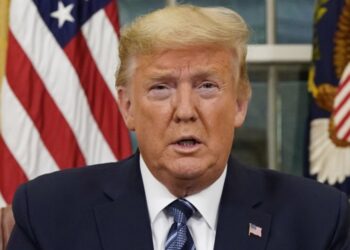
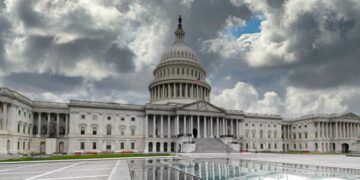
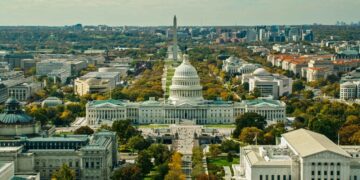
The President of the United States occupies what is widely considered the single most powerful political office in the world. This power stems from the United States’ unmatched combination of military strength, economic dominance, technological leadership, and cultural influence. As commander-in-chief of the world’s most capable armed forces, the U.S. President holds authority over nuclear weapons, global military deployments, and extensive intelligence networks. Economically, decisions made in Washington affect global markets, interest rates, trade flows, and financial institutions.
Diplomatically, the U.S. President shapes alliances such as NATO, influences multilateral bodies like the United Nations and World Bank, and often sets the tone for international norms on democracy, security, and human rights. Few leaders possess the ability to initiate or halt wars, impose sanctions with global impact, or convene coalitions capable of reshaping entire regions. The presidency combines hard power and soft power in a way no other office currently matches.
2. General Secretary of the Chinese Communist Party
The General Secretary of the Chinese Communist Party is, in practical terms, the paramount leader of China, the world’s most populous nation and second-largest economy. Unlike many democratic systems where power is dispersed, this role consolidates authority over the party, the state, and the military. China’s global influence continues to expand through manufacturing dominance, infrastructure investment, technological competition, and strategic initiatives such as the Belt and Road Initiative.
Decisions taken by the Chinese leadership influence global supply chains, commodity prices, climate negotiations, and geopolitical alignments, particularly in Asia, Africa, and Latin America. The power of this position lies not only in scale but in long-term strategic planning, enabled by centralized governance. Few leaders can shape global economic trajectories and regional security with such continuity and reach.
3. President of Russia
The President of Russia commands a nuclear-armed state with vast territory, significant energy resources, and enduring geopolitical ambitions. Russia’s influence is amplified through military capability, energy exports, cyber operations, and strategic diplomacy. The presidency holds centralized authority over defense, intelligence, and foreign policy, allowing for rapid and decisive action on the global stage. Despite economic constraints, Russia’s ability to shape security dynamics in Eastern Europe, the Middle East, and beyond ensures that its leader remains one of the most consequential figures in world politics.
4. Prime Minister of India
As the head of government of the world’s largest democracy and most populous country, the Prime Minister of India commands influence rooted in demographics, economic growth, and strategic geography. India’s role as a rising global power is anchored in its expanding economy, growing technological sector, and strategic importance in the Indo-Pacific region.
The Prime Minister directs foreign policy, defense strategy, and economic reforms that affect over a billion citizens and increasingly shape global labor markets, digital infrastructure, and regional security dynamics. India’s partnerships with major powers, leadership within the Global South, and balancing role between competing global blocs amplify the international weight of this office.
5. President of the European Commission
The President of the European Commission represents the executive authority of the European Union, a bloc of 27 nations with a combined economy rivaling that of the United States and China. This position wields power through regulatory influence rather than military command. European Union regulations often become de facto global standards, affecting data protection, environmental policy, competition law, and consumer safety worldwide. Companies and governments around the globe must adapt to EU rules to access its vast market. The President of the Commission shapes trade negotiations, competition policy, and legislative priorities that affect hundreds of millions of people and global corporations alike.
6. Chancellor of Germany
Germany is Europe’s largest economy and industrial backbone. The Chancellor of Germany exercises enormous influence within both the European Union and global economic systems. Germany’s leadership shapes EU fiscal policy, energy strategy, and industrial standards. Its export-driven economy ties it deeply to global markets, while its political stability grants the Chancellor considerable diplomatic credibility. Although Germany is cautious in military engagement, its economic power and leadership role within Europe make the Chancellor a central figure in shaping continental and global policy outcomes.
7. Prime Minister of the United Kingdom
The Prime Minister of the United Kingdom leads a country with a long diplomatic tradition, advanced military capabilities, and a permanent seat on the United Nations Security Council. The UK’s global influence extends through finance, intelligence cooperation, cultural reach, and defense partnerships. London remains one of the world’s leading financial centers, and British diplomacy retains significant soft power. Even outside the European Union, the Prime Minister plays a key role in shaping transatlantic relations, global security initiatives, and international governance.
8. President of France
France’s presidency is unique among European powers due to its strong executive authority and independent military posture. The French President controls nuclear forces, directs foreign policy, and maintains influence across Africa, Europe, and international institutions. France’s permanent seat on the UN Security Council further elevates the office’s global standing. Through diplomacy, military engagement, and cultural influence, the French presidency remains a central node in global decision-making.
9. Prime Minister of Japan
Japan’s Prime Minister governs the world’s third-largest economy and a technological powerhouse with deep global integration. While constitutionally constrained in military matters, Japan’s economic weight, innovation capacity, and strategic alliance with the United States give the Prime Minister substantial international influence. Japan’s role in global finance, supply chains, and regional security in East Asia ensures that its leadership decisions resonate far beyond its borders.
10. King of Saudi Arabia
The King of Saudi Arabia holds a position of exceptional power rooted in energy dominance and religious significance. Saudi Arabia is one of the world’s leading oil producers, giving its leadership enormous influence over global energy markets. Additionally, custodianship of Islam’s holiest sites grants the monarchy immense symbolic authority within the Muslim world. The King’s decisions affect oil prices, regional security in the Middle East, and geopolitical alignments between major powers.
11. President of Turkey
Turkey’s President leads a strategically located nation bridging Europe, Asia, and the Middle East. Control over critical transit routes, military capability, and regional diplomacy gives this position influence disproportionate to economic size. Turkey plays a key role in NATO, regional conflicts, and migration dynamics affecting Europe. The presidency combines executive authority with geopolitical leverage in one of the world’s most sensitive regions.
12. Prime Minister of Israel
The Prime Minister of Israel governs a technologically advanced, militarily capable state with outsized influence in Middle Eastern geopolitics. Israel’s defense capabilities, intelligence reach, and strategic alliances make its leadership pivotal in regional security matters. Decisions taken by the Prime Minister often have immediate international repercussions. Despite its small size, Israel’s geopolitical significance elevates this office to global prominence.
13. Prime Minister of Canada
Canada’s Prime Minister leads a G7 nation with strong economic fundamentals, abundant natural resources, and deep integration into global trade systems. Canada’s influence stems from diplomacy, resource security, and participation in international institutions. The Prime Minister plays a stabilizing role in global governance, climate policy, and transatlantic relations.
14. President of Brazil
The President of Brazil governs the largest economy and population in Latin America. Brazil’s influence is tied to agriculture, energy, environmental stewardship of the Amazon, and leadership within the Global South. Decisions on climate policy and trade resonate globally. As a regional leader, Brazil’s presidency holds growing strategic significance.
15. Mayor of New York City
Unusually included among national leaders, the Mayor of New York City governs one of the most economically powerful cities in the world. New York City is a global financial hub, cultural center, and diplomatic crossroads hosting the United Nations. The Mayor’s decisions affect global finance, real estate, media, and international diplomacy at a city-state scale. This position demonstrates how urban power can rival national authority in the modern era.
16. President of South Korea
South Korea’s President leads a technologically advanced economy and a frontline state in one of the world’s most volatile regions. The presidency balances security concerns with North Korea, economic leadership in technology and manufacturing, and diplomatic engagement with global powers. South Korea’s strategic importance ensures that its leader’s decisions carry international weight.
17. President of Indonesia
As leader of the world’s largest Muslim-majority nation and a key Southeast Asian power, Indonesia’s President plays a vital regional and global role. Indonesia’s strategic location, demographic weight, and leadership within ASEAN amplify the influence of this office.
18. Prime Minister of Italy
Italy’s Prime Minister governs a major European economy and cultural powerhouse. Italy’s role in European politics, global trade, and Mediterranean security gives its leadership regional and international relevance.
19. President of Mexico
Mexico’s President leads a nation deeply integrated into global trade and geopolitics, particularly with North America. Trade, migration, and security decisions made in Mexico have immediate international implications, especially for the United States and Latin America.
20. President of Nigeria
The President of Nigeria governs Africa’s most populous country and one of its largest economies. Nigeria’s influence spans energy markets, regional security, and continental leadership. As Africa’s demographic and economic giant, Nigeria’s presidency carries growing global importance.
Conclusion
The most powerful political positions represent the architecture of global power in the contemporary world. Their influence arises not only from authority but from responsibility – responsibility for peace, stability, economic growth, and global cooperation. As the world becomes increasingly interconnected, the decisions made by individuals in these offices ripple across borders, markets, and societies. Understanding these roles is essential for grasping how the modern world is governed, contested, and shaped.