












































































































































































Pest infestations are a common challenge in homes across the world, affecting comfort, hygiene, and even health. While commercial pesticides can be effective, they often come with significant drawbacks, including high cost, harsh chemical exposure, unpleasant odors, and potential risks to children, pets, and the environment. As awareness of safer and more sustainable living practices grows, many homeowners are turning to natural, household alternatives for pest management.
One such solution is baking soda, also known as sodium bicarbonate. Widely recognized for its uses in cooking, cleaning, and deodorizing, baking soda also plays a valuable role in pest control. It is inexpensive, readily available, non-toxic when used properly, and versatile enough to target a wide range of common household pests. When combined with simple ingredients such as sugar, salt, or flour, baking soda can become an effective deterrent or control agent without the need for aggressive chemicals.
Why baking soda works as a pest control agent
Baking soda’s effectiveness against pests lies primarily in its chemical properties. Sodium bicarbonate reacts with acids and moisture, producing carbon dioxide gas. Many insects and small pests are unable to expel gas efficiently from their digestive systems. When baking soda is ingested – often disguised with attractants like sugar or flour – it can lead to internal pressure buildup, ultimately causing death. Additionally, baking soda has abrasive and dehydrating qualities.
When combined with salt or used in powder form, it can damage the exoskeletons of insects, causing them to lose moisture and perish. Its odor-neutralizing ability also helps disrupt scent trails, particularly for ants and other social insects that rely heavily on chemical signals. Importantly, baking soda does not act as a repellent in the traditional sense. Instead, it works as a control method that targets pests already present while posing minimal risk to humans when applied correctly.
1. Using baking soda to control cockroaches
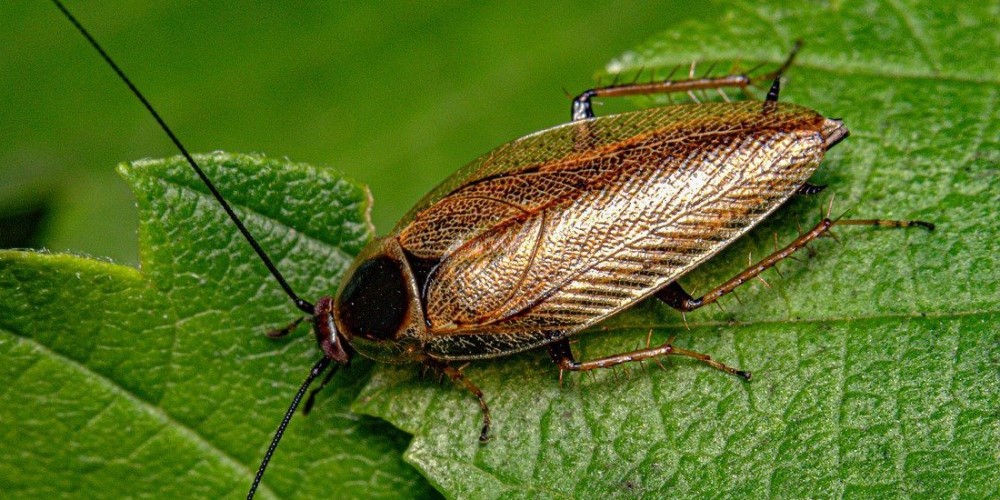
Cockroaches are among the most resilient and unhygienic household pests. They thrive in dark, warm, and damp environments and are known carriers of bacteria that can contaminate food and surfaces.
How it works
Cockroaches are attracted to sugar but harmed by baking soda. When the two are mixed in equal parts, the sugar lures the roaches while the baking soda disrupts their digestive systems once ingested.
Application method
- Mix equal quantities of baking soda and granulated sugar.
- Sprinkle the mixture in areas where cockroaches are commonly seen, such as behind refrigerators, under stoves, inside cabinets, and along baseboards.
- Focus on dark corners and areas with moisture.
- Reapply every few days, especially after cleaning.
This method is particularly useful as a long-term control strategy when combined with good sanitation practices.
2. Eliminating fleas with baking soda
Fleas are a persistent problem, especially in homes with pets. They reproduce quickly and can infest carpets, furniture, and bedding.
How it works
Baking soda, when combined with fine salt, dehydrates fleas and damages their exoskeletons. While it may not eliminate an infestation overnight, it can significantly reduce flea populations over time.
Application method
- Mix baking soda with fine salt in equal proportions.
- Sprinkle the mixture generously over carpets, rugs, pet bedding, and upholstered furniture.
- Use a broom or brush to work the powder deep into fibers.
- Leave it undisturbed for several hours or overnight.
- Vacuum thoroughly and dispose of the vacuum bag immediately.
This treatment should be repeated several times over a few weeks for best results.
3. Controlling ants naturally with baking soda
Ants are highly organized insects that rely on scent trails to locate food sources and navigate their environment. Once they invade a home, they can be difficult to eliminate.
How it works
Powdered sugar attracts ants, while baking soda interferes with their internal systems once consumed. Additionally, baking soda helps disrupt scent trails.
Application method
- Combine baking soda with powdered sugar in equal parts.
- Place small amounts near ant trails, entry points, doorways, windowsills, and suspected nest locations.
- Use shallow lids or small pieces of paper to keep the mixture contained.
- Avoid getting the mixture wet, as moisture reduces effectiveness.
Consistency is key, as ants may require repeated exposure before colonies are fully affected.
4. Discouraging clothes moths in wardrobes and storage areas
Clothes moths are notorious for damaging fabrics, particularly natural fibers such as wool, silk, and cotton. Their larvae feed on clothing, carpets, and upholstery.
How it works
Baking soda does not kill moths directly but helps neutralize odors that attract them. By reducing moisture and smells, it creates an unfavorable environment for moth activity.
Application method
- Place an open bowl or small container of baking soda in wardrobes, drawers, or storage boxes.
- Replace the baking soda every few weeks to maintain effectiveness.
- Combine this approach with proper storage practices, such as clean, airtight containers for clothing.
This method is best used as a preventive measure rather than a treatment for severe infestations.
5. Using baking soda against mice and rats
Rodents pose serious health risks, damaging property and spreading disease. While professional pest control is often recommended for large infestations, baking soda can serve as a supplementary control method.
How it works
When rodents ingest baking soda, it reacts with stomach acids to produce gas, which they cannot easily expel.
Application method
- Mix baking soda with flour in equal proportions.
- Place small amounts along walls, near holes, behind appliances, and in areas where rodents are active.
- Avoid placing the mixture where pets or children can access it.
- Combine with good sanitation and physical barriers for improved effectiveness.
While this method may help reduce rodent activity, it should be used cautiously and responsibly.
6. Managing spiders with baking soda spray
Spiders are generally beneficial predators, but many people prefer to keep them out of living spaces.
How it works
Baking soda alters the surface environment in areas where spiders hide, making it less hospitable. While it does not kill spiders instantly, it helps discourage them from settling.
Application method
- Dissolve one tablespoon of baking soda in a liter of water.
- Pour the solution into a spray bottle.
- Lightly spray corners, cracks, behind furniture, and around windows and doors.
- Reapply weekly or after cleaning.
This method is best used as a deterrent rather than a primary extermination solution.
7. Controlling slugs, snails, and centipedes
These pests are commonly found in damp areas and gardens but may enter homes during wet conditions.
How it works
Direct contact with baking soda causes rapid dehydration and irritation, making it effective against soft-bodied pests.
Application method
- Sprinkle baking soda directly along paths, entry points, or problem areas.
- Focus on cracks, damp corners, and outdoor thresholds.
- Avoid sprinkling directly on plants or soil, as baking soda can alter soil pH.
This approach is effective for spot treatment rather than widespread application.
Safety considerations and best practices
While baking soda is generally safe, responsible use is essential:
- Keep mixtures out of reach of children and pets.
- Avoid excessive application, especially near food preparation areas.
- Combine baking soda treatments with proper hygiene, sealing cracks, reducing moisture, and regular cleaning.
- Understand that natural methods may take longer to show results compared to chemical pesticides.
Conclusion
Baking soda is a remarkably versatile and accessible tool for natural pest control. Its affordability, low toxicity, and wide range of applications make it an attractive option for homeowners seeking safer alternatives to chemical pesticides. From cockroaches and ants to fleas, moths, rodents, and garden pests, baking soda offers practical solutions when used thoughtfully and consistently.
While it may not replace professional pest control in severe infestations, baking soda serves as an effective first line of defense and a valuable component of an integrated pest management strategy. By combining baking soda treatments with good sanitation and preventive measures, households can maintain a cleaner, safer, and more pest-resistant environment naturally.