









































































































































































Human fascination with the unknown – particularly the paranormal – has endured across cultures and centuries. Haunted locations, with their eerie histories and unexplained phenomena, captivate us not just because they frighten, but because they serve as conduits to the past, blending documented history with lingering mysteries. Many haunted sites are tied to periods of suffering – war, disease, incarceration, or tragedy. The collective memory of these events often informs local legends and reported phenomena.
Whether rooted in psychological imprint or metaphysical theory, these places serve as reminders of human experience. These locations have become focal points for tourism, often blending education with entertainment. Structured ghost tours, historical exhibits, and media depictions invite broader audiences to engage with these spaces, albeit through lenses of curiosity and commercial interest.
1. Poveglia Island, Italy
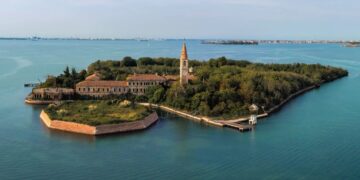
Situated between Venice and Lido, Poveglia Island epitomizes haunting isolation. For centuries, the island served as a quarantine station for plague victims; later, it became the site of a notorious asylum. Over 160,000 people are believed to have perished there. Reports include disembodied cries, shadowy figures, and unexplained sensations of dread. Local lore speaks of violent experiments and spirits lingering in the decay of abandoned buildings. Today, Poveglia remains off-limits to the public – a silent testament to its grim past, shrouded in fog and fear.
2. The Tower of London, England
Few sites compare to The Tower of London in historical gravity. For over a millennium, this fortress has been at the center of royal intrigue, imprisonment, torture, and execution. Anne Boleyn, Lady Jane Grey, and countless others met tragic ends within its walls. Sightings of Anne Boleyn carrying her head, the angry footfalls of ghosts in the White Tower, and mysterious figures in period costume have all been reported. Tower guards, or Beefeaters, speak solemnly of unexplained cold spots and whispering corridors that defy rational explanation.
3. The Stanley Hotel, USA
Perched high in the Colorado Rockies, The Stanley Hotel exudes both elegance and eeriness. Built by entrepreneur Freelan Oscar Stanley, it opened in 1909. The hotel gained worldwide fame as the inspiration for Stephen King’s The Shining after his eerie 1974 stay. Guests recount phantom piano music, flickering lights, and sightings of spectral children in the hallways. Room 217, in particular, is central to the hotel’s lore – with numerous reports of unexplained phenomena, including sightings of ghostly figures and objects moving unaided.
4. Aokigahara Forest, Japan
Known as the “Sea of Trees”, Aokigahara Forest lies at the base of Mount Fuji. Its dense woods harbor silence so profound it is unsettling. Historically associated with demons in Japanese literature, Aokigahara gained infamous recognition in modern times as a site of numerous suicides. Visitors have reported disorientation, sudden drops in temperature, distant cries, and the sense of being watched. While cultural and societal factors contribute to its reputation, the forest’s unsettling atmosphere has cemented its place among the world’s most somber locations.
5. Eastern State Penitentiary, USA
Located in Philadelphia, Eastern State Penitentiary redefined incarceration in the 19th century with its revolutionary design promoting solitary confinement. However, the psychological toll was profound. Today, its crumbling cellblocks and long hallways echo with tales of shadowy figures, disembodied voices, and unexplained footsteps. Paranormal investigators have reported eerie sensations, and visitors frequently recount emotional heaviness, especially near Cellblock 12, once used for the most troubled inmates.
6. Ancient Ram Inn, England
Nestled in Gloucestershire, the Ancient Ram Inn is one of Britain’s oldest buildings. Originally a priest’s residence, it later became an inn and then a private home. Its history is steeped in folklore, including rumors of pagan rituals and witchcraft. Visitors have reported poltergeist activity, children’s laughter without source, and apparitions in the corridors. Paranormal investigators have detected unusual electromagnetic fluctuations and unexplained voices captured in recordings.
7. Bhangarh Fort, India
Bhangarh Fort in Rajasthan stands as India’s most infamous haunted site. According to legend, a curse doomed the fort to ruin when a sorcerer sought to win a princess’s love through dark magic. Today, the Archaeological Survey of India prohibits entry after sunset. Locals speak of eerie whispers, sudden chills, and spectral sightings within the fort’s crumbling walls. Whether myth or reality, Bhangarh’s reputation draws both curious tourists and paranormal enthusiasts.
8. The Catacombs of Paris, France
Beneath the streets of Paris lies a vast network of tunnels and chambers -the Catacombs. Established in the late 18th century to address overflowing cemeteries, millions of skeletons are arranged in macabre displays. Visitors describe an oppressive atmosphere, whispering echoes, and restless energy. Urban explorers claim to have heard footsteps, voices, and cries emanating from the darkness. Whether psychological or paranormal, the Catacombs remain a chilling journey into mortality.
9. Monte Cristo Homestead, Australia
Considered Australia’s most haunted house, Monte Cristo Homestead in New South Wales is entwined with tragedy. Built in 1885, the estate witnessed multiple deaths, including fatal accidents and suspected suicides. Paranormal researchers have reported apparitions in period clothing, sudden cold spots, and disembodied screams. Guests often recount unnerving experiences of being watched, unexplained touches, and lights flickering without cause. The homestead embraces its eerie reputation, offering ghost tours that draw enthusiasts worldwide.
10. Fairmont Banff Springs Hotel, Canada
The grand Fairmont Banff Springs Hotel, nestled in the Canadian Rockies, is renowned for luxury – and a number of ghostly legends. The most famous spirit is the “Ghost Bride,” said to have perished on her wedding day. Guests report sightings of her wandering hallways in a flowing white gown. Other reported phenomena include the sounds of phantom children running down corridors, unexplained footsteps, and cold spots in certain rooms.
11. Edinburgh Castle, Scotland
Overlooking Scotland’s capital, Edinburgh Castle has stood for centuries – a symbol of power, war, and intrigue. Its grim history includes battles, executions, and imprisonment. Visitors and guides alike speak of spectral figures on the battlements, phantom drummers, and unexplained voices. The castle’s vaults, once a place of misery and disease, are particularly associated with paranormal activity, including sudden temperature drops and eerie sensations.
12. The Myrtles Plantation, USA
Located in Louisiana, The Myrtles Plantation is often described as one of the United States’ most haunted homes. Built atop an ancient burial ground, its dark history includes murder, disease, and tragedy. Stories of a slave named Chloe, whose ghost reportedly roams the grounds with a cracked ear, are well circulated. Guests have reported shadow figures, phantom footsteps, and even captured spectral images in photographs. The plantation’s oak-lined drive and stately antebellum architecture make it as hauntingly beautiful as it is unsettling.
13. Corvin Castle, Romania
Also known as Hunyadi Castle, Corvin Castle is a Gothic masterpiece with a history of imprisonment and execution. The most chilling legend involves Vlada the Impaler, who allegedly tortured prisoners within its walls. Visitors report disembodied cries and eerie sensations in the castle’s dungeon and towers. Its dramatic architecture – spiral staircases, dark corridors, and ornate chambers – enhances the sense of stepping into a medieval specter’s domain.
14. Island of the Dolls, Mexico
La Isla de las Muñecas, near Mexico City, is as eerie as its name suggests. Legend holds that the island’s caretaker found a drowned girl in the canals and began hanging dolls to appease her spirit. Today, hundreds of weathered dolls hang from trees, their blank eyes watching visitors. Many claim to hear whispers, feel unseen touches, or see the dolls move their heads. The island’s chilling aesthetic, combined with its tragic backstory, makes it an unforgettable site for those drawn to the paranormal.
15. Akodessewa Fetish Market, Togo
While not haunted in the traditional ghostly sense, Akodessewa Fetish Market in Lomé is steeped in spiritual energy and local belief. It is one of the world’s largest markets for voodoo-related items, spiritual artifacts, and animal parts used in traditional rituals. Visitors often recount intense sensations, uncanny silence among certain stalls, and encounters with practitioners who speak of spirits residing in the objects sold. The market’s atmosphere – a blend of reverence, fear, and deep-rooted cultural spirituality – creates an experience that many describe as otherworldly.
16. St. Augustine Lighthouse, USA
Rising from Florida’s Atlantic coast, the St. Augustine Lighthouse is as scenic as it is eerie. Built in the 19th century, the site has seen numerous deaths – most notably tragedies involving the lighthouse keeper’s family. Visitors report seeing children’s laughter without source, shadow figures on the stairs, and unexplained apparitions near the adjacent keeper’s dwelling. Paranormal tours often highlight these experiences, blending historical narrative with firsthand accounts of the unexplained.
17. Lawang Sewu, Indonesia
Translated as “Thousand Doors”, Lawang Sewu in Semarang is an architectural relic from Dutch colonial times. Originally a railway headquarters, its design includes numerous hallways and entryways, ideal for unsettling echoes. Legend speaks of soldiers tortured and killed during World War II, their energies lingering within the building. Visitors describe cold spots, ghostly figures peering from darkened archways, and disembodied footsteps. Its forlorn, decaying facade only adds to the spine-tingling atmosphere.
18. Château de Brissac, France
Known as the Giant of the Loire Valley, Château de Brissac is a Renaissance-era palace with royal heritage – and its own resident ghost. The “Green Lady,” said to be Charlotte de Brézé, was reportedly murdered within its walls. Guests and staff report sightings of her figure dressed in a green gown, drifting through corridors and balconies. Whispered voices and sudden cold breezes have also been attributed to this spectral presence, weaving aristocratic drama with supernatural intrigue.
19. Hoia-Baciu Forest, Romania
Often compared to the Bermuda Triangle, Hoia-Baciu Forest near Cluj-Napoca is steeped in paranormal lore. Locals speak of missing time, unexplained lights, and disorienting spatial anomalies within its dense growth. Visitors report feelings of anxiety, sudden illness, and encounters with unidentified flying objects. Some describe bizarre geometric clearings devoid of flora. Whether psychological or supernatural, the forest’s enigmatic reputation draws researchers and thrill-seekers alike.
20. Leap Castle, Ireland
Deep in Ireland’s countryside stands Leap Castle, often cited as one of the most haunted castles in the world. Its history includes clan wars, betrayal, and ritual murders. The “Bloody Chapel” within the castle is said to be the epicenter of its haunting, where dark rites were once performed. Multiple spirits are reported: shadowy figures, unexplained noises, and cold spots. Perhaps the most chilling is the “Elemental” – a presence described as hostile and oppressive. Visitors and paranormal investigators alike recount experiences that defy conventional explanation.
Conclusion
From desolate forests to opulent castles, haunted places intrigue because they challenge the boundaries between the known and the unknown. Whether one approaches these sites with skepticism or belief, their enduring stories enrich our collective imagination and invite contemplation of history, memory, and mystery. In exploring these haunted locales, we glimpse not just spine-chilling tales, but also the intricate tapestry of human culture – where past tragedies, architectural legacies, and folklore converge to shape the world’s most enigmatic spaces.