









































































































































































Human progress has been defined by innovation – industrial expansion, technological breakthroughs, and large-scale infrastructure designed to improve living standards and economic productivity. Yet history repeatedly demonstrates that when these advancements are mismanaged, poorly regulated, or driven by negligence and short-term gain, the consequences can be catastrophic. Rather than serving as instruments of collective advancement, such developments can become sources of widespread harm when ethical oversight and accountability are absent.
In these moments, the very systems intended to protect and empower society instead expose its deepest structural vulnerabilities. Man-made disasters differ from natural calamities in one crucial respect: they are preventable. They emerge from human decisions, institutional failures, regulatory gaps, and, in some cases, deliberate misconduct. Their recurrence across time and geography underscores a persistent failure to internalize past lessons, revealing how systemic neglect can repeatedly transform foreseeable risks into irreversible tragedies.
1. The Chernobyl Nuclear Disaster (Ukraine, 1986)
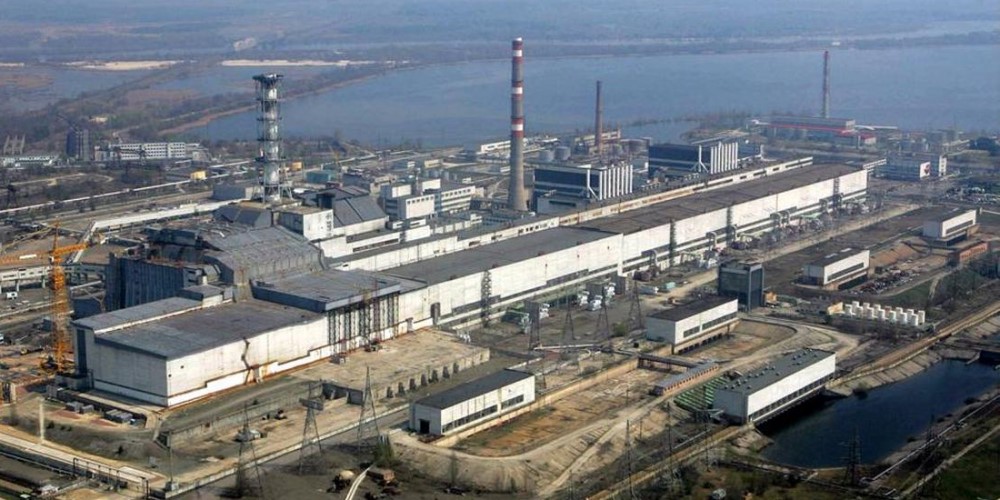
The Chernobyl nuclear disaster stands as the most catastrophic nuclear accident in human history, both in scale and in long-term consequence. On April 26, 1986, Reactor No. 4 at the Chernobyl Nuclear Power Plant, located near Pripyat in the Ukrainian Soviet Socialist Republic, exploded during a late-night safety test intended to assess the reactor’s ability to operate during a power outage.
The disaster resulted from a convergence of fatal flaws: a fundamentally unstable RBMK reactor design, inadequate safety systems, poor operator training, and a rigid command structure that discouraged questioning authority. As operators attempted to complete the test under unsafe conditions, a sudden power surge triggered explosions that destroyed the reactor core and ignited a graphite fire, releasing massive quantities of radioactive isotopes into the atmosphere.
The immediate aftermath was chaotic. Firefighters and plant workers, many unaware of the radiation risk, were sent to extinguish the blaze. Dozens died within weeks from acute radiation sickness. In the years that followed, hundreds of thousands of residents were evacuated, entire towns were abandoned, and a 30-kilometer exclusion zone was established.
The long-term health impacts have been extensive and enduring. Elevated rates of thyroid cancer, leukemia, and other radiation-induced illnesses have been documented, particularly among children exposed to radioactive iodine. Environmental contamination persists decades later, with forests, soil, and wildlife still exhibiting elevated radiation levels.
Chernobyl fundamentally altered global nuclear policy, prompting major safety reforms, international cooperation on nuclear oversight, and a reassessment of the risks associated with civilian nuclear power. It remains an enduring symbol of the catastrophic consequences of secrecy, institutional arrogance, and technological mismanagement.
2. Fukushima Daiichi Nuclear Disaster (Japan, 2011)
The Fukushima Daiichi nuclear disaster unfolded in the aftermath of the Great East Japan Earthquake and tsunami on March 11, 2011. While the earthquake itself caused no direct damage to the reactors, the tsunami that followed overwhelmed coastal defenses and inundated the nuclear power plant, disabling backup generators and cutting off critical cooling systems. The resulting loss of cooling led to core meltdowns in three reactors, hydrogen explosions, and the release of radioactive material into the surrounding environment.
More than 150,000 people were evacuated, many of whom were unable to return to their homes for years, if ever. Although no immediate deaths were directly attributed to radiation exposure, the disaster had profound psychological, social, and economic consequences. Displacement, community fragmentation, and long-term stress contributed to increased mortality among vulnerable populations. The cleanup and decommissioning process is expected to take several decades and cost hundreds of billions of dollars.
Fukushima exposed deep flaws in disaster preparedness, regulatory independence, and risk communication. It demonstrated that natural hazards can escalate into technological catastrophes when contingency planning is inadequate. The disaster prompted many countries to reassess nuclear safety standards and energy strategies, with some scaling back or abandoning nuclear power altogether.
3. Bhopal Gas Leak (India, 1984)
The Bhopal gas leak remains the deadliest industrial disaster in history and a devastating indictment of corporate negligence and regulatory failure. On the night of December 2–3, 1984, a massive release of methyl isocyanate gas occurred at the Union Carbide pesticide plant in Bhopal, India. A series of safety system failures, compounded by poor maintenance, understaffing, and cost-cutting measures, allowed water to enter a storage tank containing the highly toxic chemical.
The resulting chemical reaction caused a rapid pressure buildup, releasing a dense cloud of poisonous gas over nearby residential neighborhoods as residents slept. The immediate death toll numbered in the thousands, with many victims suffocating in their homes or collapsing in the streets. Long-term fatalities are estimated to exceed 15,000, while over half a million people suffered lasting health effects, including respiratory disease, neurological damage, blindness, and reproductive disorders.
Efforts to secure justice and compensation were slow and deeply contested. Survivors faced decades of legal battles, inadequate settlements, and limited access to medical care. Environmental contamination at the plant site persists, continuing to affect surrounding communities. Bhopal stands as a powerful reminder of the human cost of industrialization without accountability, particularly in developing nations where regulatory enforcement is weak and vulnerable populations bear disproportionate risk.
4. Deepwater Horizon Oil Spill (United States, 2010)
The Deepwater Horizon disaster ranks among the largest environmental catastrophes in the history of the petroleum industry. On April 20, 2010, an explosion on the offshore drilling rig Deepwater Horizon in the Gulf of Mexico killed 11 workers and triggered a blowout at the Macondo well operated by BP. The failure of critical safety systems, including the blowout preventer, allowed oil to flow unchecked into the ocean for 87 days.
Nearly five million barrels of crude oil were released, contaminating vast stretches of marine and coastal ecosystems across multiple U.S. states. The environmental impact was immense. Coral reefs, wetlands, fisheries, and wildlife suffered extensive damage, while coastal economies dependent on fishing and tourism experienced severe economic disruption.
Long-term health effects among cleanup workers and coastal residents remain a subject of ongoing study. Investigations revealed a corporate culture that prioritized speed and cost savings over safety, as well as regulatory shortcomings that failed to enforce adequate risk management. The disaster led to major reforms in offshore drilling regulation and intensified global scrutiny of deep-sea fossil fuel extraction.
5. Gulf War Oil Fires (Iraq/Kuwait, 1991)
The Gulf War oil fires represent one of the most deliberate and destructive acts of environmental sabotage in modern history. As Iraqi forces retreated from Kuwait in early 1991, they systematically ignited more than 600 oil wells, transforming vast stretches of desert into an inferno that burned for nearly nine months. The fires released enormous quantities of soot, sulfur dioxide, carbon monoxide, and greenhouse gases into the atmosphere. Thick black smoke plumes rose several kilometers into the sky, blocking sunlight, disrupting weather patterns, and significantly degrading air quality across the Middle East and beyond.
Daytime darkness became a common phenomenon in affected regions, and temperatures in surrounding areas dropped due to reduced solar radiation. The environmental consequences were profound. Oil lakes formed across the desert, contaminating soil and groundwater. Marine ecosystems in the Persian Gulf suffered extensive damage as oil runoff entered coastal waters. Wildlife habitats were destroyed, and biodiversity losses were severe.
Human health impacts included respiratory illnesses, skin disorders, and long-term pulmonary complications among civilians, firefighters, and military personnel. The disaster illustrated how warfare can magnify industrial hazards, turning energy infrastructure into weapons of mass environmental destruction. It remains a stark reminder that environmental damage inflicted during conflict can persist long after hostilities end.
6. Exxon Valdez Oil Spill (United States, 1989)
The Exxon Valdez oil spill was a defining moment in environmental protection and corporate accountability. On March 24, 1989, the oil tanker Exxon Valdez ran aground on Bligh Reef in Alaska’s Prince William Sound, releasing approximately 11 million gallons of crude oil into one of the world’s most pristine marine environments. Investigations revealed a cascade of human and systemic failures, including crew fatigue, inadequate supervision, and insufficient safety protocols.
The spill spread rapidly, contaminating more than 1,300 miles of coastline and devastating fragile ecosystems. The ecological toll was immense. Hundreds of thousands of seabirds, thousands of sea otters, seals, and whales perished. Fish populations collapsed, disrupting food chains and destroying the livelihoods of fishing communities, particularly Indigenous groups whose cultural and economic survival depended on the region’s natural resources.
Cleanup efforts were slow, incomplete, and controversial. Even decades later, residual oil remains embedded in sediments, continuing to affect wildlife. The disaster prompted sweeping reforms in oil transportation laws, including the requirement for double-hulled tankers, and reshaped public expectations of corporate environmental responsibility.
7. Banqiao Dam Failure (China, 1975)
The Banqiao Dam failure is widely regarded as the deadliest infrastructure disaster in recorded history. In August 1975, unprecedented rainfall from Typhoon Nina overwhelmed the Banqiao Dam in China’s Henan Province, leading to its collapse and the subsequent failure of more than 60 downstream dams. The resulting floods unleashed walls of water that swept through towns and agricultural land with devastating force.
An estimated 171,000 people died, many from drowning, disease, and famine in the weeks that followed. Millions were displaced, and vast areas of farmland were rendered unusable. While extreme weather played a role, human factors were central to the catastrophe. The dam’s design underestimated rainfall risks, political pressures suppressed scientific warnings, and emergency communication systems failed catastrophically.
Authorities delayed releasing information, exacerbating loss of life. For decades, the disaster was downplayed and concealed, limiting accountability and public learning. Banqiao stands as a sobering example of how centralized decision-making, coupled with the suppression of expert input, can transform infrastructure meant to protect society into an agent of mass destruction.
8. Rana Plaza Collapse (Bangladesh, 2013)
The Rana Plaza collapse was one of the deadliest industrial accidents in the garment manufacturing sector and a defining tragedy of globalized labor exploitation. On April 24, 2013, the eight-story commercial building housing multiple garment factories collapsed in Savar, near Dhaka. Despite visible cracks appearing the day before and evacuation orders issued for other occupants, factory workers were forced to return to work under threat of lost wages.
The collapse killed more than 1,100 people and injured over 2,500, many of whom were young women supporting extended families. The disaster exposed systemic failures: poorly enforced building codes, illegal construction practices, corruption, and relentless pressure from global supply chains demanding low-cost, rapid production.
International fashion brands sourcing from the factories faced intense scrutiny over labor conditions and ethical responsibility. Rana Plaza became a catalyst for global labor reform initiatives, including legally binding safety accords. However, it also underscored the persistent imbalance of power between multinational corporations and vulnerable workers in developing economies.
9. Tianjin Explosions (China, 2015)
The Tianjin explosions occurred on August 12, 2015, when a series of massive blasts tore through a hazardous materials warehouse in the port city of Tianjin. The explosions killed at least 173 people, including firefighters, and injured hundreds more. Shockwaves shattered buildings kilometers away, while toxic chemicals, including sodium cyanide, were dispersed into the surrounding environment. Residential neighborhoods located dangerously close to the storage facility suffered extensive damage.
Investigations revealed severe regulatory failures, including illegal storage of hazardous substances, falsified safety permits, and corruption among local officials. Emergency responders were initially unaware of the chemicals present, placing them at extreme risk. The disaster highlighted the dangers of rapid industrial expansion without commensurate investment in safety governance. It reinforced the need for transparency, strict zoning laws, and independent oversight in handling hazardous materials.
10. Minamata Poisoning (Japan, 1932-1968)
Minamata poisoning is one of the most tragic examples of long-term industrial pollution and corporate denial. Over several decades, the Chisso Corporation discharged mercury-laden wastewater into Minamata Bay, contaminating fish and shellfish consumed by local communities. Residents began exhibiting severe neurological symptoms, including loss of motor control, speech impairment, paralysis, and, in extreme cases, death. Children born to exposed mothers suffered congenital deformities and developmental disorders, even when the mothers showed no symptoms themselves.
For years, both the corporation and government authorities denied responsibility, delayed investigations, and silenced victims. It was not until the late 1960s that mercury pollution was officially acknowledged as the cause. Minamata fundamentally reshaped environmental law and public awareness in Japan. It stands as a powerful indictment of regulatory complacency and corporate misconduct, and a lasting symbol of the human cost of environmental neglect.
11. Three Mile Island Nuclear Accident (United States, 1979)
The Three Mile Island nuclear accident marked a defining moment in the history of civilian nuclear energy in the United States. On March 28, 1979, a combination of mechanical failures, design flaws, and human error led to a partial meltdown of Reactor 2 at the Three Mile Island Nuclear Generating Station in Pennsylvania. The incident began with a malfunction in the non-nuclear secondary system, followed by a stuck-open relief valve that allowed coolant to escape undetected.
Operators misinterpreted confusing instrument readings and inadvertently reduced emergency cooling, worsening the situation. Although the reactor’s containment structure prevented a full-scale release of radiation, radioactive gases were vented into the atmosphere. While no immediate deaths were directly attributed to radiation exposure, the psychological impact on the public was profound. Over 140,000 residents voluntarily evacuated the surrounding area amid widespread fear and uncertainty.
The crisis severely eroded public trust in nuclear power and exposed deficiencies in operator training, plant design, and emergency communication protocols. Three Mile Island fundamentally altered nuclear regulation in the United States, leading to stricter oversight, improved safety systems, enhanced operator training, and the creation of more robust emergency preparedness frameworks. It stands as a case study in how near-catastrophes can reshape policy, even in the absence of mass casualties.
12. Vajont Dam Disaster (Italy, 1963)
The Vajont Dam disaster is one of the most tragic examples of engineering excellence undermined by environmental negligence. On October 9, 1963, a massive landslide plunged into the Vajont Reservoir in northern Italy, displacing a colossal volume of water that overtopped the dam and swept through downstream villages.
Despite the dam itself remaining structurally intact, the resulting wave – over 250 meters high – obliterated entire communities, killing approximately 2,000 people within minutes. The town of Longarone was almost completely destroyed. Geologists had long warned of the instability of Monte Toc, the mountain adjacent to the reservoir. However, these warnings were ignored or downplayed by project authorities eager to complete one of Europe’s tallest dams.
Minor landslides had already occurred during reservoir filling, signaling the impending disaster. The Vajont tragedy underscores the danger of disregarding geological and environmental realities in large infrastructure projects. It highlights how human hubris, economic pressure, and institutional denial can transform technically sound structures into instruments of devastation.
13. Kyshtym Disaster (Soviet Union, 1957)
The Kyshtym disaster was a catastrophic nuclear accident at the Mayak Production Association, a secret plutonium-processing facility in the Soviet Union. On September 29, 1957, a cooling system failure caused a chemical explosion in a tank containing highly radioactive waste. The explosion released massive amounts of radioactive material into the environment, contaminating thousands of square kilometers in what later became known as the East Ural Radioactive Trace. Entire villages were evacuated – often without explanation – and hundreds of thousands of people were exposed to radiation over time.
The Soviet government concealed the incident for decades, preventing affected populations from receiving timely medical care or understanding the cause of their illnesses. Increased rates of cancer, genetic disorders, and chronic disease were observed among exposed communities. Kyshtym illustrates the compounded harm caused by secrecy and authoritarian control. Beyond the physical damage, the suppression of information magnified human suffering and delayed international learning from the disaster.
14. Flint Water Crisis (United States, 2014-2019)
The Flint water crisis represents a slow-moving man-made disaster rooted in policy failure, cost-cutting, and systemic injustice. In 2014, the city of Flint, Michigan, switched its water source from Lake Huron to the Flint River without implementing proper corrosion control measures. As a result, lead leached from aging pipes into the drinking water supply, exposing thousands of residents – particularly children – to dangerous levels of a potent neurotoxin. Elevated lead exposure has been linked to developmental delays, cognitive impairment, and long-term health complications.
Despite complaints from residents about water quality, officials repeatedly dismissed concerns and manipulated data. The crisis persisted for years before state and federal authorities acknowledged the severity of the contamination. Flint exposed deep structural inequalities, highlighting how marginalized communities often bear the brunt of infrastructure neglect and governance failures. It remains a cautionary example of how public health can be sacrificed under the guise of fiscal responsibility.
15. AZF Chemical Plant Explosion (France, 2001)
The AZF chemical plant explosion in Toulouse stands as one of the most devastating industrial accidents in modern European history. On September 21, 2001, a massive explosion ripped through the AZF fertilizer factory, which produced nitrogen-based agricultural chemicals, including ammonium nitrate – a compound with well-documented explosive potential under improper storage conditions. The blast instantly killed 31 people and injured more than 2,500 others.
Shockwaves were felt kilometers away, shattering windows, damaging schools, hospitals, and residential buildings, and causing widespread panic in the city. The explosion registered as a seismic event equivalent to a small earthquake. Subsequent investigations revealed serious lapses in chemical handling, storage segregation, and safety oversight. Large quantities of ammonium nitrate were stored in conditions that violated best practices, and warning signs had been ignored.
The proximity of the industrial facility to densely populated urban areas significantly amplified the disaster’s impact. The AZF explosion prompted major regulatory reforms in France and across the European Union, particularly concerning industrial zoning laws and the classification of high-risk facilities. It underscored the danger of allowing hazardous chemical plants to coexist with urban expansion and reinforced the need for rigorous, transparent industrial safety governance.
16. Lagos Pipeline Explosion (Nigeria, 2006)
The Lagos pipeline explosion was a tragic convergence of infrastructure decay, economic desperation, and regulatory failure. In December 2006, a ruptured petroleum pipeline in a densely populated area of Lagos leaked fuel, drawing hundreds of residents who attempted to collect it for resale or household use. A sudden ignition caused a massive explosion and fireball that killed over 250 people, with many victims burned beyond recognition. Entire neighborhoods were affected, and survivors were left with severe injuries, trauma, and long-term displacement.
Nigeria’s oil infrastructure, much of it decades old, suffers from chronic underinvestment, vandalism, and weak enforcement. Pipelines often pass directly through residential areas without adequate protection or monitoring. Poverty and fuel scarcity further increase risk, driving civilians to engage in extremely dangerous practices. The Lagos pipeline disaster exposed how economic inequality and governance failures can turn infrastructure into lethal hazards. It remains a stark example of how public safety collapses when state oversight fails to keep pace with urban growth and social vulnerability.
17. Norilsk Fuel Spill (Russia, 2020)
The Norilsk fuel spill was one of the largest Arctic environmental disasters ever recorded. In May 2020, a diesel fuel storage tank at a power plant near Norilsk collapsed, releasing over 20,000 tons of fuel into nearby rivers and tundra. The spill rapidly contaminated waterways, turning them red and killing fish, birds, and other wildlife in one of the world’s most fragile ecosystems. Cleanup efforts were complicated by the region’s remoteness, harsh climate, and limited infrastructure. Investigations revealed that the tank’s foundations had been weakened by permafrost thaw – an increasingly common consequence of climate change.
However, the disaster was not solely environmental in origin. The facility had failed to modernize infrastructure or account for changing ground conditions, despite long-standing scientific warnings. The Norilsk spill highlighted how climate change amplifies industrial risk, particularly in polar and subpolar regions. It emphasized the urgent need for climate-adaptive engineering standards and stricter environmental accountability for industrial operators in sensitive ecosystems.
18. Aral Sea Collapse (Central Asia)
The collapse of the Aral Sea represents one of the most catastrophic examples of long-term environmental mismanagement in human history. Beginning in the 1960s, Soviet authorities diverted the Amu Darya and Syr Darya rivers to support large-scale cotton irrigation projects. Over subsequent decades, the Aral Sea shrank by more than 90 percent, transforming once-thriving ports into arid desert landscapes.
Fisheries collapsed entirely, eliminating a vital source of food and employment for local populations. The exposed seabed released toxic dust laden with pesticides and salts, which spread across the region. The public health consequences were severe and enduring. Rates of respiratory disease, cancer, anemia, and infant mortality rose sharply.
The local climate changed, with harsher winters and hotter summers, further undermining agriculture and livelihoods. The Aral Sea disaster stands as a profound warning about centralized planning divorced from ecological reality. It illustrates how incremental policy decisions, sustained over time, can produce environmental devastation on a continental scale.
19. Centralia Mine Fire (United States, 1962-Present)
The Centralia mine fire is a slow-burning man-made disaster with consequences spanning generations. In 1962, a landfill fire ignited an underground coal seam beneath the town of Centralia, Pennsylvania. Initial containment efforts failed, allowing the fire to spread through abandoned mine tunnels. Over time, toxic gases, sinkholes, and ground subsidence rendered the town unsafe. Carbon monoxide levels reached lethal concentrations, and surface collapses destroyed roads and buildings.
The federal government eventually relocated nearly all residents, leaving Centralia largely abandoned. Despite decades of mitigation attempts, the fire continues to burn and is expected to persist for centuries. Centralia exemplifies how inadequate waste management and delayed intervention can create irreversible environmental damage. The town has become a haunting symbol of industrial legacy failures and the long-term costs of ignoring environmental risk.
20. Ajka Red Sludge Disaster (Hungary, 2010)
The Ajka red sludge disaster occurred on October 4, 2010, when a containment dam at an alumina refinery collapsed, releasing millions of cubic meters of highly alkaline industrial waste into surrounding villages. The toxic sludge inundated homes, farmland, and waterways, killing 10 people and injuring hundreds. Victims suffered chemical burns, respiratory damage, and long-term health complications. Rivers downstream were contaminated, causing widespread ecological destruction.
Investigations identified structural weaknesses, inadequate monitoring, and regulatory oversight failures. Despite known risks associated with red sludge storage, safety measures were insufficient to prevent dam failure. The Ajka disaster underscored the often-overlooked dangers of industrial waste byproducts and highlighted the necessity of stringent environmental monitoring, transparent regulation, and corporate accountability in waste management practices.
Conclusion
The world’s largest man-made disasters collectively expose a profound truth: catastrophe is rarely sudden, and almost never unavoidable. Across industries, nations, and decades, these events were preceded by ignored warnings, compromised standards, regulatory weakness, and decisions that favored expediency over responsibility. Whether through industrial negligence, infrastructural misjudgment, environmental disregard, or institutional secrecy, human systems repeatedly failed those they were meant to protect.
The result was not only immense loss of life and environmental devastation, but also long-term social, economic, and psychological harm that continues to reverberate across generations. In an era of accelerating technological advancement and growing environmental vulnerability, the lessons from these disasters are more urgent than ever. Progress divorced from ethical governance and scientific accountability becomes a source of risk rather than resilience.
Preventing future catastrophes requires more than innovation; it demands transparent leadership, rigorous regulation, and a steadfast commitment to human and environmental well-being. These tragedies stand as enduring reminders that the true cost of negligence is measured not only in statistics, but in lives disrupted, communities erased, and ecosystems permanently altered.