












































































































































































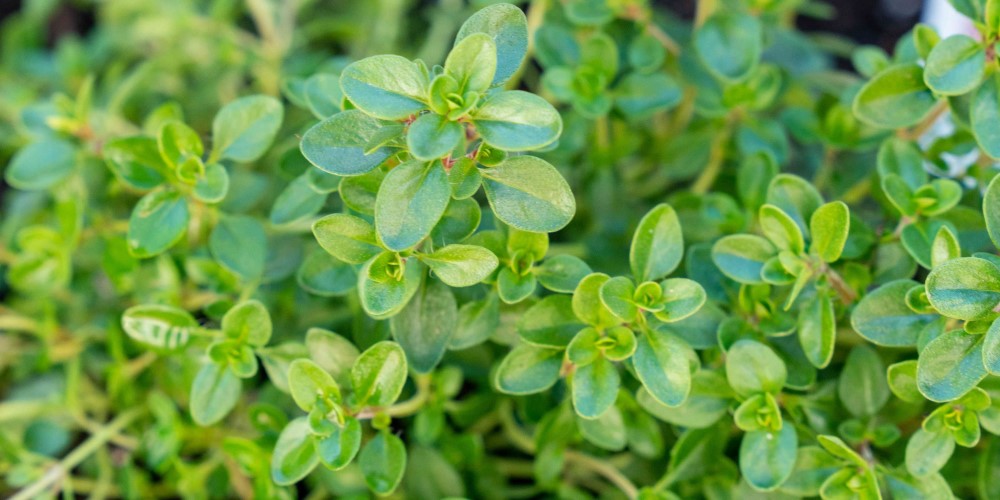
Thyme (Thymus vulgaris), a perennial herb belonging to the mint family (Lamiaceae), has a storied presence in both culinary and medicinal traditions. Native to the Mediterranean region, thyme has been cultivated for thousands of years and revered since antiquity – by the ancient Egyptians for embalming rites, the Greeks for its antiseptic qualities, and medieval Europeans for strength and vitality. Today, modern science continues to validate many of these traditional uses, shedding light on the physiological mechanisms behind thyme’s therapeutic properties.
Botanical and nutritional profile
Thyme is a small shrub characterized by woody stems and tiny, aromatic leaves. It contains a rich array of essential oils, flavonoids, and phenolic compounds that contribute to both flavor and health benefits. Key nutrients and compounds in thyme are:
- Vitamins: Vitamin C, vitamin A (via carotenoids), vitamin K.
- Minerals: Iron, manganese, calcium, magnesium.
- Bioactive phytochemicals: Thymol, carvacrol, rosmarinic acid, luteolin, apigenin.
- Essential oils: Primarily thymol and carvacrol.
These compounds underlie thyme’s antioxidant, antimicrobial, anti-inflammatory, and immune-modulating effects, making thyme a herb of considerable pharmacological interest.
Antioxidant support and cellular protection
Oxidative stress – caused by an imbalance between free radicals and antioxidants – is implicated in aging and chronic diseases such as cardiovascular disease, cancer, and neurodegeneration. Thyme’s rich composition of antioxidants helps neutralize free radicals and protect cells from oxidative damage.
- Phenolic compounds like thymol and rosmarinic acid have demonstrated strong radical-scavenging activity in laboratory studies. These compounds enhance endogenous antioxidant defenses by increasing activity of enzymes such as superoxide dismutase and catalase.
- Flavonoids in thyme exhibit protective effects against lipid peroxidation, preserving the integrity of cell membranes.
This potent antioxidant profile suggests thyme may contribute to reduced disease risk and improved longevity when included as part of a balanced diet.
2. Antimicrobial and antiviral activity
Thyme’s traditional use as a preservative and antiseptic reflects its antimicrobial properties. Modern research confirms that thyme essential oil and its constituents can inhibit a broad spectrum of pathogens.
- Thymol and carvacrol disrupt microbial cell membranes, leading to reduced viability of bacteria such as Escherichia coli, Salmonella, and Staphylococcus aureus.
- Thyme extracts show inhibitory effects against fungal organisms such as Candida albicans.
- Preliminary in vitro studies suggest antiviral properties.
This antimicrobial action supports thyme’s traditional use for food preservation, topical disinfection, and respiratory health applications.
3. Respiratory health and expectorant effects
Thyme has a long history of use in respiratory remedies for coughs, bronchitis, and chest congestion. Modern herbalists attribute these effects to the herb’s antispasmodic, anti-inflammatory, and antimicrobial actions.
- A randomized controlled trial found that a combination of thyme and ivy leaf extract significantly improved cough severity and frequency in adults with acute bronchitis compared to placebo.
- Thyme tea or syrup is commonly used in European phytotherapy to ease mucus clearance and soothe irritated airways.
- The antispasmodic properties may help reduce bronchial smooth muscle contraction, potentially easing symptoms of conditions like bronchitis.
While thyme should not replace prescribed respiratory treatments for serious conditions, it can serve as a complementary therapy for mild, acute respiratory symptoms.
4. Anti-inflammatory potential
Chronic inflammation contributes to a host of conditions including arthritis, metabolic syndrome, and neurodegenerative disease. Thyme contains several compounds with demonstrable anti-inflammatory activity.
- Rosmarinic acid inhibits pro-inflammatory enzymes such as cyclooxygenase (COX) and lipoxygenase, reducing synthesis of inflammatory mediators.
- Thyme flavonoids downregulate inflammatory cytokines in cellular models, indicating potential systemic effects.
Although much of the research is preclinical, these findings support the integration of thyme into diets aimed at reducing inflammatory burden.
5. Cardiovascular benefits
Research suggests thyme supports cardiovascular health through multiple pathways:
- Blood pressure regulation: Animal studies indicate that thyme extract may induce vasodilation, possibly contributing to lower blood pressure.
- Lipid metabolism: Thyme’s antioxidant properties may protect LDL cholesterol from oxidation – a key step in atherogenesis. Some studies also report favorable effects on lipid profiles.
- Endothelial function: Bioactive compounds may enhance nitric oxide availability, improving vascular function.
These mechanisms are consistent with protective effects against cardiovascular disease.
6. Digestive health and appetite regulation
Traditionally, thyme has been used to support digestion and relieve gastrointestinal discomfort. Its carminative (gas-relieving) and antispasmodic properties may alleviate bloating and cramping. Potential benefits include:
- Stimulates digestive enzyme secretion.
- Eases flatulence and indigestion.
- Supports healthy gut flora via antimicrobial effects against pathogenic bacteria.
Thyme tea is often recommended after meals in herbal medicine systems to promote smooth digestive function.
7. Neuroprotective and cognitive effects
Recent research points toward possible neuroprotective properties of thyme’s phytochemicals:
- Antioxidants like thymol and rosmarinic acid may protect neurons from oxidative damage.
- Anti-inflammatory actions may mitigate neuroinflammation – a contributor to conditions such as Alzheimer’s disease.
- Preliminary animal studies show potential for cognitive enhancement, though human research is limited.
These findings are promising for future therapeutic applications.
Practical uses and consumption methods
Thyme can be incorporated into daily life in several accessible forms:
Culinary usage
Fresh or dried thyme enhances flavor and nutrition in:
- Soups and stews.
- Roasted meats and vegetables.
- Salad dressings and marinades.
- Infused oils and butters.
A teaspoon of dried thyme or a few sprigs of fresh thyme per day can contribute beneficial phytonutrients.
Herbal tea
- Steep 1-2 teaspoons of fresh or dried thyme in hot water for 5-10 minutes.
- Add honey or lemon to taste.
This infusion is traditionally used for respiratory comfort, digestive support, and relaxation.
Essential oil and oromatherapy
Thyme essential oil is highly concentrated and should be used with caution:
- Topical: Dilute with a carrier oil for skin applications; may support muscle relaxation or minor skin issues.
- Inhalation: Diffused or inhaled steam may help ease nasal congestion.
Essential oil should not be ingested without supervision from a qualified practitioner due to potency and potential toxicity.
Supplements
Thyme extracts are available in capsules, tinctures, and standardized formulas. When choosing supplements:
- Verify standardized content of active components (e.g., thymol).
- Consult a healthcare provider regarding dosing and safety.
Safety considerations and interactions
Thyme is generally recognized as safe when used in culinary amounts. However, concentrated forms – especially essential oils – warrant caution.
Potential adverse effects:
- Contact dermatitis in sensitive individuals.
- Gastrointestinal irritation with excessive consumption.
- Possible interactions with anticoagulant medications due to vitamin K content.
Contraindications:
- Pregnancy and breastfeeding: limited evidence on safety of medicinal doses.
- Allergies to plants in the Lamiaceae family (e.g., oregano, basil).
Individuals with chronic health conditions or those taking prescription medications should consult a healthcare professional before initiating thyme supplements or therapeutic use.
Conclusion
Thyme stands at the intersection of culinary delight and therapeutic potential. Its rich blend of vitamins, minerals, and bioactive compounds confers antioxidant, antimicrobial, anti-inflammatory, and cardioprotective properties that support holistic health. From soothing respiratory discomfort to bolstering digestion and cellular resilience, the health benefits of thyme are diverse and continually substantiated by scientific inquiry.
While more rigorous human clinical trials are needed to fully quantify its efficacy for specific conditions, thyme’s long history of safe use, combined with emerging research, underscores its value as a functional food and complementary herb. When incorporated thoughtfully into a balanced lifestyle, thyme offers both gustatory pleasure and meaningful contributions to well-being.