






































































































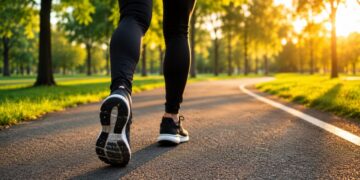


































































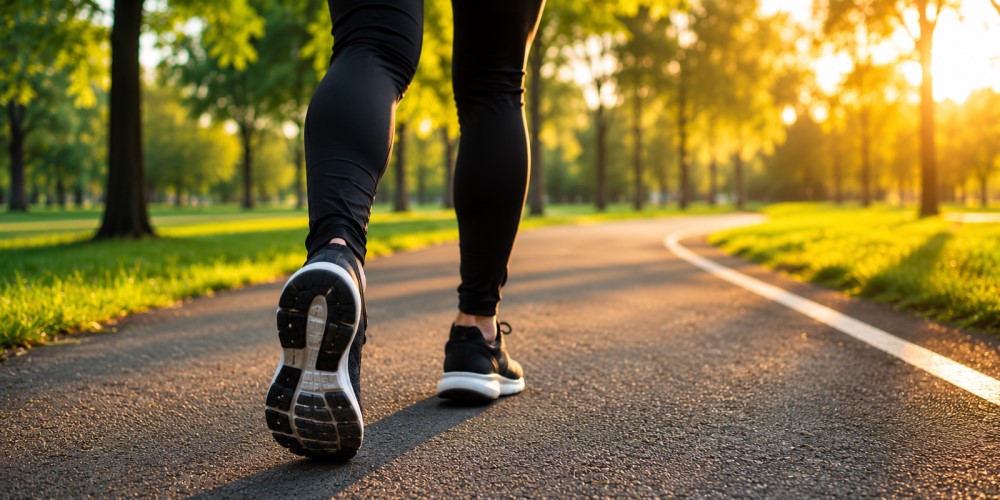
Walking is one of the simplest and most effective forms of exercise, but most people rarely think about changing the direction in which they move. Walking backward, also known as retro walking, is an exercise that has been practiced for decades in rehabilitation clinics, sports training programs, and fitness routines. Although it may appear unusual at first, this movement challenges the body and brain in ways that ordinary forward walking cannot.
Unlike conventional walking, backward walking requires greater concentration, different muscle activation patterns, and improved coordination. It forces the body to adapt to unfamiliar movement mechanics, helping strengthen muscles, improve balance, and enhance cognitive function. Because it engages the body differently, even a few minutes of backward walking can provide benefits that complement a traditional walking routine.
Scientific research continues to reveal that walking backward is more than a novelty. It can improve cardiovascular fitness, reduce joint stress, enhance athletic performance, aid rehabilitation, and even sharpen mental focus. Whether you are an athlete seeking better performance, an older adult looking to improve balance, or someone searching for a fresh way to stay active, incorporating backward walking into your exercise routine can deliver remarkable results.
What is backward walking?
Backward walking involves moving in reverse while maintaining proper posture and controlled movements. Although the movement pattern appears simple, it significantly alters the body’s biomechanics. Instead of relying primarily on the heel-to-toe motion used during forward walking, backward walking encourages landing on the toes and rolling toward the heel.
This change affects the muscles, joints, nervous system, and cardiovascular system differently. The body must constantly adjust its balance and spatial awareness, requiring greater input from the brain and nervous system. Because of these unique demands, backward walking is widely used in physical therapy, sports conditioning, and functional fitness programs.
How backward walking differs from forward walking
Although both forms of walking engage many of the same muscles, they do so in different ways. Walking backward places greater emphasis on the quadriceps while reducing the repetitive loading patterns experienced during forward walking. Several biomechanical differences include:
- Greater activation of the quadriceps.
- Increased ankle mobility.
- Enhanced coordination.
- Shorter stride lengths.
- Higher energy expenditure.
- Increased reliance on balance and proprioception.
These differences explain why walking backward often feels more challenging despite covering the same distance.
Health benefits of walking backward
The unique movement mechanics of backward walking create numerous physical, mental, and neurological benefits. While many people associate it primarily with rehabilitation, healthy individuals can also experience significant improvements by making it part of their regular exercise routine.
1. Improves balance and stability
Balance naturally declines with age, increasing the risk of falls and injuries. Walking backward challenges the body’s balance systems far more than forward walking because visual guidance is limited. Instead, the body relies heavily on:
- The vestibular system.
- Muscle feedback.
- Joint position awareness.
- Core stability.
Over time, these systems become more efficient, resulting in improved balance and postural control. Older adults, in particular, may benefit from supervised backward walking exercises that strengthen their ability to recover from unexpected changes in movement.
2. Strengthens different muscle groups
Backward walking recruits muscles differently than conventional walking. It places greater emphasis on:
- Quadriceps.
- Calves.
- Tibialis anterior.
- Hamstrings.
- Gluteal muscles.
- Core muscles.
Because these muscles work through unfamiliar movement patterns, they become stronger and more coordinated. Athletes frequently use backward walking and backward running to correct muscle imbalances and improve lower-body strength.
3. Burns more calories
Walking backward is more physically demanding than walking forward at the same speed. Studies have shown that retro walking increases oxygen consumption and heart rate, leading to greater calorie expenditure. In some cases, backward walking may burn 20% to 40% more calories than ordinary walking. This makes it an excellent addition to weight management programs without requiring higher-impact activities.
4. Improves cardiovascular fitness
Because it requires more effort, walking backward elevates heart rate faster than normal walking. Regular sessions can:
- Improve cardiovascular endurance.
- Strengthen the heart.
- Increase lung capacity.
- Enhance circulation.
- Improve overall stamina.
Even short intervals of backward walking during a normal walking workout can significantly increase cardiovascular intensity.
5. Reduces knee pain
Backward walking has become a common rehabilitation exercise for individuals experiencing knee pain. Unlike forward walking, backward walking reduces compressive forces on the kneecap while strengthening the quadriceps. Stronger quadriceps help:
- Stabilize the knee.
- Improve joint function.
- Reduce pain.
- Support recovery after injury.
People with conditions such as patellofemoral pain syndrome often experience noticeable improvement under the guidance of a healthcare professional.
6. Supports rehabilitation after injury
Physical therapists frequently prescribe backward walking during rehabilitation programs because it restores movement without placing excessive stress on injured joints. It may benefit recovery from:
- Knee injuries.
- Hip injuries.
- Stroke.
- Neurological disorders.
- Balance impairments.
- Ankle injuries.
The slower pace allows patients to rebuild confidence while improving strength and coordination.
7. Enhances brain function
Backward walking demands continuous attention because the brain cannot rely on automatic movement patterns. The exercise improves:
- Concentration.
- Spatial awareness.
- Motor planning.
- Coordination.
- Cognitive flexibility.
Researchers believe the increased neurological challenge helps strengthen communication between different regions of the brain.
8. Improves proprioception
Proprioception refers to the body’s ability to sense its position in space without looking. Walking backward enhances this internal awareness because the body must constantly interpret sensory feedback from muscles, tendons, and joints. Better proprioception contributes to:
- Faster reaction times.
- Improved coordination.
- Reduced injury risk.
- Better athletic performance.
9. Increases ankle flexibility
Backward walking requires greater ankle movement than ordinary walking. This increased range of motion helps:
- Improve ankle mobility.
- Reduce stiffness.
- Strengthen stabilizing muscles.
- Enhance walking efficiency.
Flexible ankles also contribute to improved balance and reduced fall risk.
10. Promotes healthier posture
Many people develop poor posture due to prolonged sitting and repetitive daily habits. Backward walking naturally encourages:
- Upright posture.
- Core engagement.
- Shoulder alignment.
- Better spinal positioning.
Maintaining proper posture during backward walking reinforces healthy movement patterns that carry over into daily activities.
11. Improves coordination
Moving backward requires every step to be carefully coordinated. The brain must synchronize:
- Foot placement.
- Arm movement.
- Balance adjustments.
- Muscle activation.
This repeated practice strengthens neuromuscular coordination, making everyday movements more efficient.
12. Enhances athletic performance
Elite athletes across many sports use backward walking and backward running as training tools. Benefits include:
- Faster acceleration.
- Better agility.
- Improved change of direction.
- Enhanced lower-body power.
- Reduced injury risk.
Sports that particularly benefit include soccer, basketball, football, tennis, rugby, and athletics.
13. Reduces repetitive stress
Forward walking places repeated stress on the same joints and tissues. Backward walking redistributes those forces, providing a valuable variation that helps:
- Reduce overuse injuries.
- Minimize repetitive strain.
- Improve movement diversity.
- Support joint health.
Alternating walking directions creates a more balanced overall training program.
14. Strengthens the core
Maintaining stability while walking backward requires constant activation of the abdominal and lower back muscles. A stronger core contributes to:
- Better posture.
- Improved balance.
- Reduced back pain.
- Enhanced functional movement.
Unlike isolated abdominal exercises, backward walking trains the core during natural movement.
15. May improve mood and mental well-being
Like other forms of aerobic exercise, backward walking stimulates the release of endorphins. Regular participation may help:
- Reduce stress.
- Improve mood.
- Increase energy.
- Enhance confidence.
- Reduce symptoms of anxiety.
The novelty of the exercise also keeps workouts mentally engaging, helping reduce boredom associated with repetitive routines.
Scientific evidence supporting backward walking
Growing research supports the effectiveness of backward walking across multiple populations. Clinical studies have demonstrated improvements in:
- Knee osteoarthritis symptoms.
- Chronic knee pain.
- Balance in older adults.
- Stroke rehabilitation outcomes.
- Walking speed.
- Cardiovascular endurance.
- Muscle strength.
Researchers continue exploring its role in neurological rehabilitation, sports performance, and injury prevention.
How to start walking backward safely
Because backward walking limits your ability to see obstacles, safety should always come first. Beginners should:
- Choose a flat, obstacle-free surface.
- Start slowly.
- Wear supportive footwear.
- Keep your posture upright.
- Take short, controlled steps.
- Look over your shoulder periodically.
- Consider using a treadmill with safety rails under supervision.
Initially, walking backward for just two to five minutes is sufficient.
Proper backward walking technique
Maintaining good form reduces injury risk while maximizing benefits.
a. Maintain an upright posture
Stand tall with:
- Relaxed shoulders.
- Engaged core.
- Eyes looking forward occasionally checking behind.
- Natural arm swing.
Avoid leaning excessively backward.
b. Take small steps
Short strides provide greater stability and reduce the likelihood of losing balance. As confidence improves, stride length can gradually increase.
c. Land gently
Most people naturally contact the ground with the balls of their feet before rolling toward the heel. Avoid heavy or jerky foot placement.
d. Stay relaxed
Tension increases instability. Keep breathing naturally and avoid stiffening the shoulders or neck.
How often should you walk backward?
Most healthy adults can safely incorporate backward walking several times each week. A typical routine may include:
- 5 to 10 minutes after a normal walk.
- Short backward intervals during treadmill workouts.
- Balance-focused sessions two to three times weekly.
- Progressive increases as skill improves.
Even small amounts performed consistently can produce noticeable improvements.
Who can benefit the most?
Although nearly everyone can benefit, certain groups may experience especially meaningful improvements.
a. Older adults
Backward walking helps address common age-related issues including:
- Poor balance.
- Reduced coordination.
- Muscle weakness.
- Increased fall risk.
Professional supervision may be appropriate for beginners.
b. Athletes
Competitive athletes can use backward walking to:
- Improve agility.
- Increase power.
- Prevent injuries.
- Enhance recovery.
It serves as an effective cross-training exercise.
c. Individuals recovering from injury
Rehabilitation specialists frequently include backward walking when rebuilding strength and restoring normal movement patterns. Programs should always follow professional guidance.
d. Office workers
People who spend long hours sitting often experience:
- Tight hips.
- Weak glutes.
- Poor posture.
- Reduced mobility.
Backward walking activates neglected muscles and encourages healthier movement mechanics.
Who should avoid backward walking?
Although generally safe, backward walking may not be appropriate for everyone. Consult a healthcare provider before beginning if you have:
- Severe balance disorders.
- Advanced neurological conditions.
- Significant vision impairment.
- Recent surgery.
- Acute joint injuries.
- Severe dizziness.
Individuals with osteoporosis or a high fall risk should begin only under supervision.
Common mistakes to avoid
Beginners often make errors that reduce effectiveness or increase injury risk. Avoid:
- Walking too quickly.
- Taking oversized steps.
- Leaning backward.
- Ignoring obstacles.
- Wearing unsuitable footwear.
- Practicing in crowded areas.
- Failing to warm up.
Gradual progression produces the safest and best long-term results.
Tips for making backward walking part of your routine
Adding backward walking does not require replacing your existing exercise program. You can incorporate it by:
- Walking backward during warm-ups.
- Alternating one minute backward with several minutes forward.
- Using it during treadmill workouts with caution.
- Practicing on athletic tracks.
- Including it in balance training sessions.
- Combining it with strength exercises.
Consistency matters more than duration. Even a few minutes several times each week can produce measurable improvements.
Conclusion
Walking backward may seem unconventional, but its health benefits are supported by growing scientific evidence. By changing the body’s movement patterns, it challenges muscles, joints, the cardiovascular system, and the brain in ways that ordinary walking cannot. From improving balance and strengthening neglected muscles to enhancing cardiovascular fitness, supporting rehabilitation, sharpening cognitive function, and reducing knee pain, retro walking offers a surprisingly wide range of physical and mental health advantages.
As with any exercise, proper technique and safety are essential. Beginners should start slowly in a safe environment, gradually increasing both confidence and duration over time. When practiced consistently and combined with regular forward walking and other forms of physical activity, backward walking can become a valuable addition to a well-rounded fitness routine. Whether your goal is better mobility, improved athletic performance, injury prevention, healthier aging, or simply adding variety to your workouts, taking a few steps backward may be one of the smartest ways to move your health forward.