










































































































































































Buying a septic tank is a major investment that directly affects the efficiency, longevity, and environmental safety of a property’s wastewater management system. Whether you are building a new home, replacing an aging tank, or installing a wastewater system for a commercial property, choosing the right septic tank requires careful planning. A poorly selected tank can lead to costly repairs, environmental contamination, unpleasant odors, drainage problems, and even legal issues if it fails to comply with local regulations.
Many property owners make the mistake of focusing solely on the purchase price. However, the cheapest septic tank is not always the most economical choice in the long run. Factors such as tank size, material, durability, soil conditions, installation requirements, maintenance costs, and future expansion plans all play an essential role in determining the best option. A septic system is designed to serve a property for several decades. Therefore, investing time in understanding what to look for before making a purchase can save significant amounts of money and prevent unnecessary headaches.
Why choosing the right septic tank matters
Selecting the appropriate septic tank goes far beyond ensuring wastewater has somewhere to go. The right tank supports the proper treatment of household sewage, protects groundwater from contamination, reduces maintenance requirements, and extends the lifespan of the entire septic system. A properly chosen septic tank also contributes to environmental conservation by preventing untreated wastewater from polluting nearby rivers, lakes, and underground water sources.
Additionally, it helps maintain property value, as prospective buyers often consider the condition and reliability of wastewater systems before purchasing a home. Understanding the various factors involved in choosing a septic tank ensures that your investment delivers dependable performance for many years.
Understand how a septic tank works
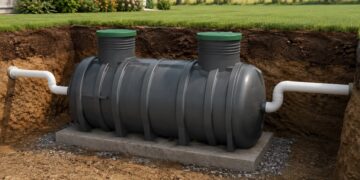
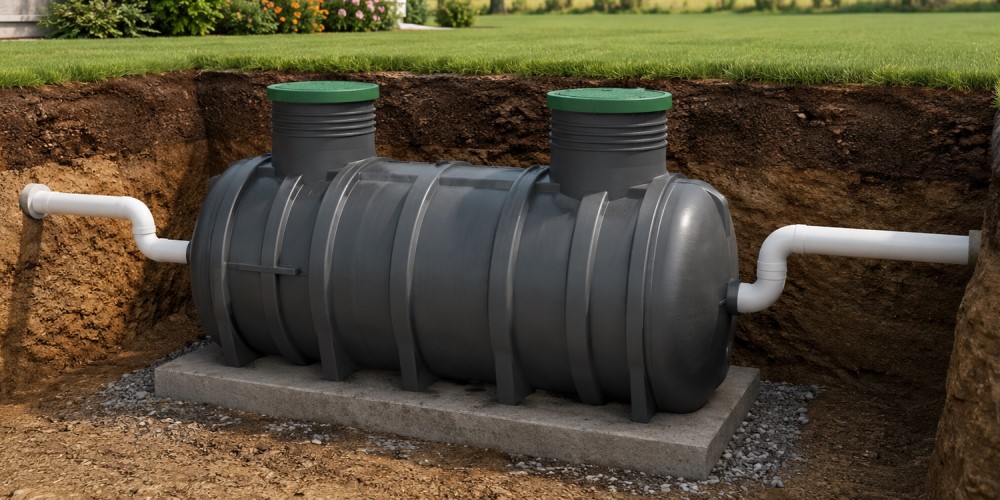
Before selecting a septic tank, it helps to understand its primary function within a septic system. Knowing how the system operates allows homeowners to appreciate why certain design features, capacities, and installation practices matter. A septic tank is an underground watertight container that receives wastewater from toilets, sinks, showers, washing machines, and other household plumbing fixtures.
Inside the tank, solids settle to the bottom to form sludge, while oils and grease float to the surface as scum. The relatively clear liquid, known as effluent, flows into a drain field where natural soil filtration completes the treatment process. Because the septic tank performs the critical first stage of wastewater treatment, choosing the appropriate tank is essential for ensuring the entire system functions efficiently.
1. Determine the correct tank size
One of the most important considerations is selecting the appropriate septic tank capacity. An undersized tank fills quickly, increases the risk of backups, and requires more frequent pumping. An oversized tank, while generally less problematic, may unnecessarily increase installation costs.
a. Household size
The number of people living in a home significantly affects wastewater production. Larger households generate more wastewater and require larger tanks. Although occupancy fluctuates over time, it is advisable to choose a tank that accommodates peak usage rather than average daily use.
b. Number of bedrooms
In many regions, septic tank sizing is based on the number of bedrooms rather than the current number of occupants. This approach accounts for future occupancy changes. For example:
- One to two bedrooms typically require smaller tanks.
- Three to four bedrooms usually need medium-capacity tanks.
- Five or more bedrooms often require significantly larger tanks.
Local regulations generally specify the minimum tank sizes for different property types.
c. Daily water usage
Water consumption habits also influence septic tank sizing. Homes with multiple bathrooms, large bathtubs, high-capacity washing machines, or irrigation systems may require larger tanks due to increased wastewater generation.
2. Consider the septic tank material
The material used to manufacture the tank affects durability, installation costs, maintenance requirements, and lifespan.
a. Concrete septic tanks
Concrete remains one of the most popular choices due to its exceptional strength and longevity. Advantages include:
- Excellent durability.
- Resistant to buoyancy.
- Long service life, often exceeding 40 years.
- Suitable for larger installations.
However, concrete tanks are heavy, making transportation and installation more expensive. Poor-quality concrete may also crack over time if improperly manufactured or installed.
b. Plastic (polyethylene) septic tanks
Plastic septic tanks have become increasingly popular because they are lightweight and resistant to corrosion. Benefits include:
- Easy transportation.
- Lower installation costs.
- Corrosion resistance.
- Watertight construction.
Their lightweight nature, however, can make them susceptible to floating in areas with high groundwater unless properly anchored.
c. Fiberglass septic tanks
Fiberglass combines many of the advantages of plastic and concrete. Benefits include:
- High corrosion resistance.
- Lightweight construction.
- Excellent durability.
- Reduced risk of cracking.
Although fiberglass tanks generally cost more than plastic models, they often provide superior long-term performance.
d. Steel septic tanks
Steel tanks were once common but are now much less popular. Their major disadvantages include:
- Susceptibility to rust
- Shorter lifespan
- Higher maintenance requirements
- Greater likelihood of structural failure
For these reasons, steel tanks are rarely recommended for new installations.
3. Evaluate soil conditions
The type of soil on your property significantly influences septic system performance. Even the best septic tank cannot function effectively if the surrounding soil cannot properly absorb treated wastewater. Conducting a professional soil evaluation before purchasing a septic tank helps determine the most suitable system configuration.
a. Soil permeability
Highly permeable sandy soils drain quickly, while clay soils retain water and drain slowly. Poor drainage may require alternative system designs or larger drain fields.
b. Water table
Properties with high groundwater levels require careful planning to prevent contamination and tank flotation.
c. Rocky terrain
Rocky soils increase excavation difficulty and installation costs. In some cases, specialized installation methods may be necessary.
4. Check local regulations
Every jurisdiction has building codes and environmental regulations governing septic system installations. These regulations often specify:
- Minimum tank capacity
- Approved tank materials
- Installation depth
- Required setbacks from buildings
- Distance from wells
- Distance from water bodies
- Inspection requirements
- Permit procedures
Purchasing a tank that does not comply with local regulations can result in costly modifications or complete replacement before approval. Always verify applicable requirements with the relevant local authorities before making a purchase.
5. Assess installation requirements
Installing a septic tank involves much more than simply burying a container underground. Professional installers can evaluate these factors before recommending a suitable tank.
a. Accessibility
Installation equipment must have adequate access to the property. Narrow driveways, steep slopes, or heavily landscaped yards can increase installation complexity.
b. Excavation
The size of the excavation depends on the tank dimensions, soil conditions, and installation depth.
c. Drain field compatibility
The septic tank must be compatible with the planned drain field or leach field design. The entire wastewater system should function as an integrated unit.
6. Think about future household expansion
While your current household may consist of only a few people, future circumstances may change. Potential changes include:
- Home additions
- Additional bathrooms
- Growing family
- Rental units
- Home-based businesses
Installing a slightly larger septic tank during initial construction may prove more economical than replacing the entire system later. Planning ahead helps accommodate increased wastewater demands without major system modifications.
7. Consider maintenance requirements
Different septic tanks have varying maintenance needs. Routine maintenance generally includes:
- Regular inspections.
- Pumping accumulated sludge.
- Checking inlet and outlet baffles.
- Monitoring structural integrity.
- Ensuring proper drainage.
Some tank designs provide easier access for maintenance through well-designed inspection ports and manholes. Choosing a tank that simplifies maintenance reduces long-term ownership costs.
8. Evaluate durability and expected lifespan
A septic tank represents a long-term investment. Approximate lifespans include:
- Concrete: 40-50 years or more
- Fiberglass: 30-50 years
- Plastic: 30-40 years
- Steel: 15-25 years
Actual lifespan depends on installation quality, maintenance, wastewater usage, and environmental conditions. Selecting a durable tank minimizes replacement costs over several decades.
9. Examine construction quality
Not all septic tanks are manufactured to the same standards. Before purchasing, inspect or verify:
- Wall thickness.
- Reinforcement quality.
- Manufacturing certification.
- Watertight seals.
- Structural integrity.
- Quality assurance testing.
Buying from reputable manufacturers helps ensure consistent product quality.
10. Ensure watertight construction
A septic tank should be completely watertight. Leaks allow:
- Groundwater infiltration.
- Untreated sewage escape.
- Soil contamination.
- Reduced treatment efficiency.
- Increased pumping frequency.
Proper sealing protects both public health and the surrounding environment.
11. Consider environmental impact
Modern septic tanks should minimize environmental risks. Environmentally responsible systems help:
- Protect groundwater.
- Reduce pollution.
- Improve wastewater treatment.
- Preserve nearby ecosystems.
- Support sustainable development.
Choosing high-quality materials and professional installation contributes significantly to environmental protection.
12. Think about ease of inspection
Routine inspections identify developing problems before they become expensive repairs. A well-designed septic tank should provide:
- Accessible inspection openings.
- Clearly marked access lids.
- Convenient pumping access.
- Safe entry points for maintenance professionals.
Easy inspection encourages regular preventative maintenance.
13. Compare total ownership costs
Many buyers focus only on the initial purchase price. However, total ownership costs include:
- Purchase price
- Transportation
- Excavation
- Installation
- Permits
- Maintenance
- Pumping
- Repairs
- Replacement
A higher-quality tank with lower maintenance requirements often proves less expensive over its lifetime than a cheaper alternative.
13. Choose an experienced installer
Even the highest-quality septic tank can fail if improperly installed.
Professional installers understand:
- Proper excavation
- Correct leveling
- Pipe alignment
- Drain field integration
- Soil compaction
- Regulatory compliance
Hiring experienced professionals significantly reduces the likelihood of future problems.
14. Verify manufacturer reputation
The reputation of the manufacturer often reflects product reliability. Research:
- Customer reviews.
- Warranty claims.
- Industry certifications.
- Years of manufacturing experience.
- Independent testing results.
Established manufacturers generally maintain higher production standards and better customer support.
15. Check the warranty
A comprehensive warranty demonstrates confidence in product quality. Review:
- Warranty duration.
- Structural coverage.
- Manufacturing defect protection.
- Exclusions.
- Transferability.
- Claim procedures.
Understanding warranty terms helps avoid unexpected expenses should problems arise.
16. Consider transportation logistics
Large septic tanks require specialized transportation. Factors affecting delivery include:
- Road accessibility.
- Delivery distance.
- Crane requirements.
- Site preparation.
- Delivery scheduling.
These logistical considerations can significantly influence total project costs.
17. Understand pumping frequency
Pumping intervals depend on:
- Household size
- Tank capacity
- Water usage
- Solid waste accumulation
Larger tanks generally require less frequent pumping, reducing long-term maintenance expenses. Following recommended pumping schedules helps prevent system failures.
18. Evaluate compatibility with water-saving fixtures
Many modern homes use:
- Low-flow toilets
- Water-efficient showers
- Efficient washing machines
- Smart plumbing fixtures
Although these fixtures reduce water consumption, septic tanks should still be appropriately sized to ensure adequate wastewater retention and treatment. A well-balanced system accounts for both current and future water usage patterns.
19. Avoid buying solely based on price
Price should never be the only deciding factor. Extremely inexpensive septic tanks may involve compromises such as:
- Inferior materials
- Poor manufacturing quality
- Shorter lifespan
- Limited warranties
- Higher maintenance costs
Instead, evaluate overall value by balancing quality, durability, warranty, installation requirements, and expected service life. A modestly higher initial investment often yields substantial long-term savings.
20. Ask important questions before purchasing
Before making your final decision, ask suppliers several important questions to ensure you are selecting the most suitable product. Useful questions include:
- Is the tank certified according to local standards?
- What material is used?
- What warranty is provided?
- What is the expected lifespan?
- Does it include access risers?
- Is professional installation recommended?
- What maintenance schedule is advised?
- Can replacement parts be easily obtained?
- Has the tank undergone leak testing?
- What accessories are included?
Obtaining detailed answers provides greater confidence in your investment.
Common mistakes to avoid
Many septic system problems result from poor purchasing decisions rather than manufacturing defects. Common mistakes include:
- Choosing the wrong tank size.
- Ignoring local regulations.
- Hiring inexperienced installers.
- Purchasing low-quality products.
- Neglecting soil testing.
- Failing to consider future household growth.
- Skipping routine maintenance planning.
- Buying solely based on price.
Avoiding these mistakes significantly improves system reliability and longevity.
Conclusion
Buying a septic tank is a decision that should be based on careful research rather than convenience or cost alone. The ideal septic tank is one that matches your household’s wastewater needs, complies with local regulations, suits your property’s soil conditions, and offers long-term durability with minimal maintenance. Factors such as tank size, construction material, installation requirements, environmental impact, ease of maintenance, manufacturer reputation, warranty coverage, and future expansion plans all contribute to the overall performance and value of the system.
Investing in a high-quality septic tank and ensuring it is professionally installed can provide decades of dependable service while protecting your property, your finances, and the environment. By considering the full lifecycle cost instead of only the initial purchase price, homeowners can avoid many of the common issues associated with septic system failures. Ultimately, taking the time to evaluate every important aspect before making a purchase leads to a more reliable, efficient, and cost-effective wastewater management solution that will continue serving the property for many years to come.