








































































































































































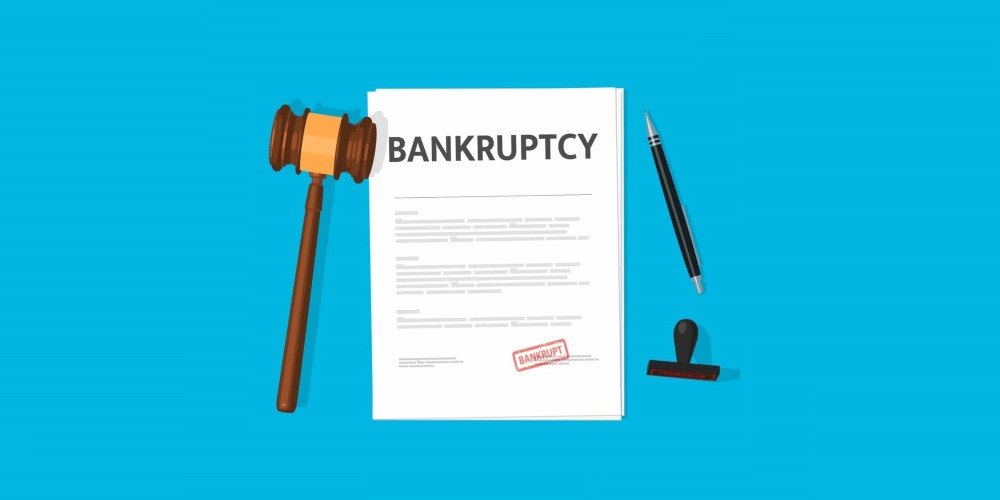
Financial distress can affect individuals for many reasons – business failure, unexpected medical costs, unemployment, or excessive borrowing. When a person is unable to repay debts as they fall due, the law provides structured mechanisms to deal with such situations. In Kenya, bankruptcy is a legal process governed primarily by the Insolvency Act, which outlines procedures for individuals who cannot pay their debts. Declaring bankruptcy is a serious legal step with far-reaching consequences, but it can also provide relief from overwhelming debt and allow a person to rebuild financially.
Understanding bankruptcy in the Kenyan legal system
Bankruptcy refers to a legal declaration that an individual is unable to pay their debts. Once a bankruptcy order is issued by the court, the debtor’s financial affairs are placed under the control of a trustee or the Official Receiver so that creditors can be paid in an orderly and fair manner. In Kenya, bankruptcy applies primarily to individuals, whereas corporate entities undergo insolvency or liquidation procedures. The law ensures that creditors receive equitable treatment while also giving debtors a chance to restart their financial lives. Under the Insolvency Act, bankruptcy can be initiated either by:
- The debtor (self-petition for bankruptcy).
- One or more creditors.
- A supervisor involved in an existing voluntary arrangement.
These parties may apply to court requesting the issuance of a bankruptcy order if legal requirements are met.
Legal framework governing bankruptcy in Kenya
The modern bankruptcy system in Kenya was established under the Insolvency Act, which replaced older laws such as the Bankruptcy Act and certain provisions of the Companies Act. The Act consolidated insolvency procedures for both individuals and companies while introducing modern mechanisms for debt resolution. Key features of the Insolvency Act:
- Unified insolvency framework for individuals and businesses.
- Protection for honest but unfortunate debtors.
- Structured procedures for debt repayment or discharge.
- Appointment of insolvency practitioners or trustees.
- Clear timelines for bankruptcy discharge.
The law also introduced alternatives to bankruptcy, allowing individuals to explore less severe options before seeking full bankruptcy protection.
Alternatives to bankruptcy
Before declaring bankruptcy, Kenyan law encourages debtors to consider other debt relief mechanisms. These include:
1. Individual Voluntary Arrangement (IVA)
An Individual Voluntary Arrangement allows a debtor to negotiate with creditors to restructure debt payments under the supervision of an insolvency practitioner. This arrangement can be more flexible than bankruptcy and may allow the debtor to retain more control over their assets.
2. No-asset procedure
This option is designed for individuals who have little or no assets to repay their debts. Eligibility requirements typically include:
- Debt exceeding KSh 100,000.
- Debt below KSh 4 million.
- Lack of significant realizable assets.
This procedure protects the debtor from creditor action while they reorganize their financial situation.
3. Summary installment order
Under this arrangement, the debtor pays debts in installments as directed by the Official Receiver. The process may last up to five years depending on the repayment plan approved. These alternatives often provide relief without the long-term consequences associated with bankruptcy.
Who can apply for bankruptcy
Under Kenyan law, a bankruptcy application can be made by several parties depending on the circumstances.
1. The debtor
An individual who recognizes that they cannot repay debts may voluntarily file for bankruptcy.
2. Creditors
One or more creditors can petition the court to declare a debtor bankrupt if the debtor has failed to pay outstanding debts.
3. Supervisors of voluntary arrangements
If a debtor breaches the terms of a voluntary arrangement with creditors, the supervising practitioner may initiate bankruptcy proceedings. Additionally, the debtor must have a sufficient connection to Kenya – for example:
- Being domiciled in Kenya.
- Residing in Kenya.
- Having conducted business in Kenya within the previous three years.
Acts of bankruptcy
Courts generally require evidence that the debtor has committed an “act of bankruptcy”. Examples include:
- Failure to pay debts after receiving a bankruptcy notice.
- Declaring inability to pay debts.
- Fraudulently transferring property to avoid creditors.
- Leaving the country to evade creditors.
- Having property seized in civil proceedings to satisfy debts.
These acts demonstrate insolvency and justify a bankruptcy order.
Process for declaring bankruptcy in Kenya
Declaring bankruptcy involves a formal legal procedure that must be followed carefully.
1. Preparation of bankruptcy petition
The process begins with the preparation of a bankruptcy petition. This document outlines:
- The debtor’s financial situation.
- Total debts owed.
- Details of creditors.
- Assets owned by the debtor.
- Reasons for financial distress.
The petition must usually be accompanied by:
- An affidavit.
- A statement of financial position.
- Supporting documentation relating to debts and assets.
2. Filing the petition
The bankruptcy petition is filed in the High Court of Kenya, which has jurisdiction over insolvency matters. The petition may be filed either:
- By the debtor seeking bankruptcy protection, or
- By creditors seeking recovery of debts through bankruptcy proceedings.
Once filed, the court reviews the documents to ensure that the legal requirements are satisfied.
3. Review by the Official Receiver
The petition is reviewed by the Official Receiver of Kenya, who plays a central role in the bankruptcy process. The Official Receiver is responsible for:
- Administering bankruptcy estates.
- Investigating the conduct of bankrupt individuals.
- Supervising insolvency practitioners.
- Acting as an officer of the court in insolvency proceedings.
If the petition meets the requirements, the process moves forward to the next stage.
4. Payment of statutory fees
The petitioner is required to pay statutory fees associated with bankruptcy proceedings. After payment is confirmed, a certificate of compliance may be issued and the bankruptcy file officially opened.
5. Court hearing
The High Court schedules a hearing to examine the bankruptcy petition. During the hearing, the court determines whether:
- The debtor is indeed unable to pay debts.
- The legal requirements for bankruptcy have been satisfied.
- Creditors have valid claims.
If the court is satisfied, it issues a bankruptcy order.
6. Issuance of bankruptcy order
A bankruptcy order formally declares the debtor bankrupt. Once the order is issued:
- The debtor’s assets are placed under the control of a trustee.
- Creditors must submit claims through the bankruptcy process.
- Individual enforcement actions against the debtor are halted.
The order must be advertised in the Kenya Gazette within thirty days.
7. Statement of affairs
The bankrupt individual may be required to submit a detailed statement of affairs outlining:
- All assets owned.
- Outstanding debts.
- Sources of income.
- Liabilities and financial obligations.
This document helps determine how creditors will be paid.
8. Creditors’ meeting
A meeting of creditors may be convened to:
- Review the debtor’s financial situation.
- Confirm the appointment of a trustee.
- Determine how assets will be distributed.
Creditors may also examine the bankrupt debtor regarding financial transactions.
Effects of being declared bankrupt
Declaring bankruptcy carries significant legal consequences.
a. Loss of control over assets
Once declared bankrupt, the debtor generally loses control over most assets. These assets are managed by a trustee and may be sold to repay creditors. However, certain items such as personal effects or tools of trade may be exempt.
b. Restrictions on credit
Bankrupt individuals typically face restrictions on obtaining new credit. Lenders must be informed of the bankruptcy status before extending credit.
c. Legal protection from creditors
Although bankruptcy has serious consequences, it also provides protection. Once the bankruptcy order is issued:
- Creditors cannot pursue individual legal actions.
- Debt collection measures are halted.
- Enforcement proceedings are suspended.
This ensures that creditors are treated fairly and prevents harassment of the debtor.
Discharge from bankruptcy
One of the key objectives of bankruptcy law is to allow individuals to eventually restart financially. In Kenya, bankruptcy generally lasts for three years. If the discharge is not opposed by creditors or the trustee, the bankrupt individual is automatically discharged at the end of this period. Upon discharge:
- The individual is released from most debts.
- Financial restrictions are lifted.
- The person can begin rebuilding credit.
However, certain obligations such as child maintenance or fines may not be discharged.
Conclusion
Declaring bankruptcy in Kenya is a legal remedy designed to balance the interests of debtors and creditors. Through the framework established by the Insolvency Act, individuals facing overwhelming debt can seek relief while ensuring creditors receive fair treatment. While bankruptcy can provide much-needed financial relief, it is not a decision to be taken lightly.
Individuals should carefully evaluate alternatives such as voluntary arrangements or installment orders before proceeding with bankruptcy. Legal advice from an insolvency practitioner or lawyer is often essential to navigate the process effectively. Ultimately, the Kenyan bankruptcy system aims to provide both accountability and opportunity – ensuring that debts are addressed fairly while giving individuals a genuine chance to rebuild their financial lives.