










































































































































































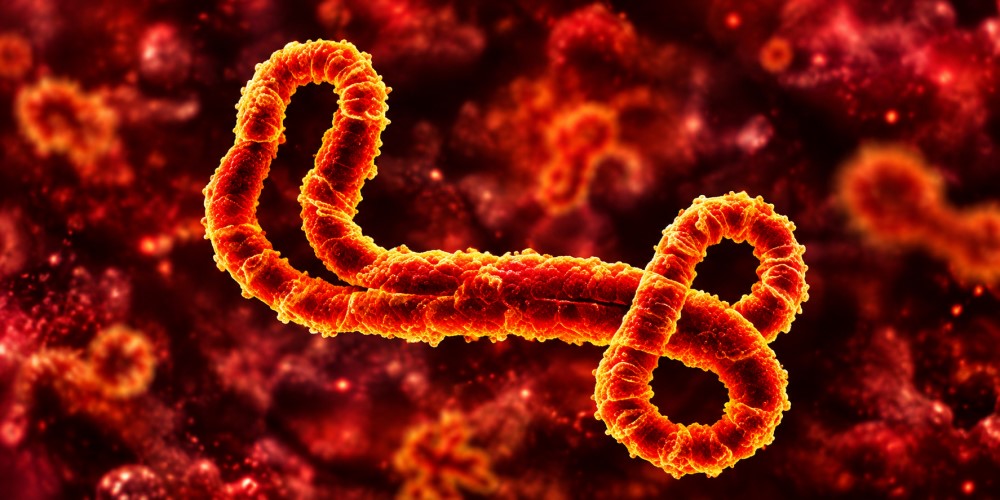
Ebola is a rare but severe viral disease that can cause widespread illness, organ damage, bleeding, shock and death. Although Ebola outbreaks have historically been concentrated in sub-Saharan Africa, the disease has international public-health significance because infected people can transmit the virus through direct contact with infectious body fluids. The disease is particularly challenging because its earliest symptoms can resemble common illnesses such as malaria, typhoid fever, influenza and other infections, making early recognition dependent on careful assessment of symptoms, exposure history and laboratory testing.
Ebola is also more complex than the name suggests. Several related viruses in the Orthoebolavirus genus can cause disease in humans, and the availability of vaccines and specific treatments differs according to the virus responsible. Currently, licensed vaccination and specific antibody treatments are available for Ebola virus disease caused by Orthoebolavirus zairense, while other human disease-causing orthoebolaviruses do not have the same range of approved countermeasures.
What is Ebola?
Ebola is an infectious disease caused by viruses belonging to the Orthoebolavirus genus within the filovirus family. The disease is commonly referred to as Ebola virus disease (EVD) when it is caused by Ebola virus, but related viruses cause other diseases such as Sudan virus disease and Bundibugyo virus disease. Ebola was first recognized in 1976 following simultaneous outbreaks in what are now South Sudan and the Democratic Republic of the Congo (DRC).
The disease takes its familiar name from the Ebola River in the DRC, near one of the locations where the 1976 outbreaks occurred. Ebola is classified as a viral haemorrhagic fever because severe infection can affect blood vessels, coagulation and multiple organs. However, the popular image of Ebola as a disease characterized primarily by dramatic bleeding is misleading. Bleeding does occur in some patients, particularly during severe disease, but it is not present in every case.
Fever, weakness, gastrointestinal symptoms, dehydration and organ dysfunction can be much more prominent clinical features. The disease can be fatal, particularly when diagnosis and intensive supportive care are delayed. At the same time, Ebola is not inevitably fatal. Advances in clinical care, infection prevention, vaccination and virus-specific treatments have substantially improved the ability to manage outbreaks and save patients with Ebola virus disease.
Types of Ebola viruses
The different viruses responsible for human Ebola disease are important because they differ in their epidemiology and, importantly, in the availability of vaccines and treatments. Current taxonomy recognizes four Orthoebolavirus species known to cause disease in humans.
1. Ebola virus
Ebola virus, scientifically classified as Orthoebolavirus zairense, is the virus responsible for what is specifically called Ebola virus disease. It has caused many of the largest and most serious Ebola outbreaks recorded to date. This is currently the most medically significant Ebola virus from the standpoint of available countermeasures because a licensed vaccine is available and specific monoclonal antibody treatments have been approved for disease caused by this virus. The vaccine Ervebo is specifically designed to protect against Ebola virus, while Inmazeb and Ebanga are approved treatments for Ebola virus disease.
2. Sudan virus
Sudan virus, or Orthoebolavirus sudanense, causes Sudan virus disease. It has caused significant outbreaks, including the original 1976 outbreak in southern Sudan. Although Sudan virus belongs to the same broader group as Ebola virus, it should not simply be assumed that interventions developed for Ebola virus provide the same protection against Sudan virus. There is no licensed vaccine specifically available for Sudan virus disease and no FDA-approved virus-specific treatment equivalent to the approved treatments for Ebola virus disease.
3. Bundibugyo virus
Bundibugyo virus, or Orthoebolavirus bundibugyoense, causes Bundibugyo virus disease. It was first identified during an outbreak in western Uganda in 2007. Like Sudan virus, Bundibugyo virus presents an important challenge because licensed vaccines and specific approved treatments are not currently available in the same way they are for Ebola virus disease. Research is continuing into vaccines and therapeutics for this virus, including clinical evaluation of potential treatments.
4. Taï Forest virus
Taï Forest virus, or Orthoebolavirus taiense, is another orthoebolavirus known to cause disease in humans. Human infection has been rare, but it is nevertheless recognized as a human disease-causing Ebola virus. There is currently no licensed vaccine specifically for Taï Forest virus disease. The existence of several human disease-causing orthoebolaviruses demonstrates why identifying the specific virus involved in an outbreak is important for selecting appropriate countermeasures.
5. Other orthoebolaviruses
Two additional viruses – Reston virus and Bombali virus – have been identified within the broader group of orthoebolaviruses. Reston virus has caused disease in non-human primates but has not been established as causing human disease, while Bombali virus has been detected in bats. Consequently, not every virus in the genus should be treated as an established cause of human Ebola disease.
What causes Ebola?
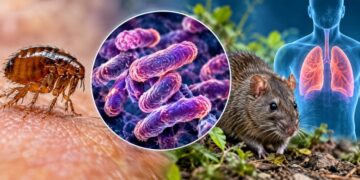
Ebola is caused by infection with an orthoebolavirus. The virus must enter the body and establish an infection before disease develops. The natural ecological cycle of these viruses involves wildlife, with bats considered an important reservoir or host associated with several filoviruses, although the exact ecology can vary among viruses and remains an area of scientific investigation. The first human infection in an outbreak can occur when a person comes into contact with an infected animal or animal tissue. Subsequent human-to-human transmission can sustain an outbreak.
1. Animal-to-human transmission
The virus can enter human populations through exposure to infected wildlife. Activities such as hunting, butchering, handling or consuming infected wild animals can create opportunities for transmission, particularly when people come into contact with blood or other infectious tissues. The precise circumstances of spillover can differ from one outbreak to another. Once the virus has entered a human population, however, sustained transmission is generally driven by person-to-person exposure.
2. Human-to-human transmission
Ebola is primarily transmitted through direct contact with the blood or other body fluids of a person who has Ebola disease or through the body of someone who has died from the disease. Infectious fluids can include blood, vomit, diarrhoeal stool, urine, breast milk, semen and other bodily secretions. Transmission can occur when infectious material reaches another person’s broken skin or mucous membranes, such as the eyes, nose or mouth.
This makes close caregiving, healthcare work and handling bodies during funerals particularly important transmission risks when appropriate protective measures are not used. A critical point is that people infected with Ebola generally do not transmit the virus before they develop symptoms. The incubation period can range from two to 21 days.
How Ebola spreads
Understanding how Ebola spreads is central to controlling outbreaks because the virus does not behave like highly transmissible respiratory viruses such as influenza or measles. The main transmission pathway involves contact with infectious body fluids. Healthcare workers can face particularly high risks when caring for suspected or confirmed patients if infection-prevention procedures are inadequate. Family members and caregivers may also become infected because they frequently come into close physical contact with sick relatives.
Traditional funeral practices can create another significant transmission pathway. A deceased person can remain infectious, meaning washing, touching, dressing or otherwise handling the body can expose mourners and family members to the virus. Safe and dignified burial procedures are therefore a crucial part of Ebola outbreak control.
Ebola is not normally spread simply because an infected person is nearby. Transmission requires appropriate exposure to infectious material, which is why isolation, appropriate personal protective equipment, environmental cleaning, safe handling of medical equipment and careful management of patients are so important.
Symptoms of Ebola
Ebola symptoms usually begin suddenly after an incubation period of two to 21 days. The average interval between exposure and the onset of symptoms is approximately eight to 10 days. The first symptoms are often nonspecific. This creates one of the biggest diagnostic challenges because a person may initially appear to have malaria, typhoid fever, influenza or another common infection.
a. Early symptoms
The early stage commonly includes fever, severe weakness, fatigue, muscle and joint pain, headache and sore throat. Chills and loss of appetite can also occur. These symptoms can initially appear relatively ordinary. A person returning from an outbreak area or someone who has had a significant exposure to an Ebola patient, however, requires much more careful assessment if these symptoms develop.
b. Gastrointestinal symptoms
As the disease progresses, gastrointestinal symptoms often become prominent. These can include nausea, vomiting, abdominal pain and severe watery diarrhoea. Severe vomiting and diarrhoea can cause substantial fluid and electrolyte losses. This is one reason aggressive supportive care is so important. Without adequate replacement of fluids and electrolytes, dehydration can contribute to shock, kidney dysfunction and other complications.
c. Other symptoms
Patients may develop rash, red or irritated eyes, chest pain, difficulty breathing, confusion, hiccups and, in severe cases, seizures. Neurological complications can occur as the illness becomes more severe.
d. Bleeding
Bleeding is one of the most widely recognized features associated with Ebola, but it is important not to assume that every patient will bleed. When bleeding occurs, it can involve the gastrointestinal tract, mucous membranes or injection sites. Blood may appear in vomit or stool, while nose or gum bleeding can also occur. In severe cases, internal or external bleeding can contribute to life-threatening complications. The absence of bleeding does not rule out Ebola.
Stages of Ebola disease
Ebola does not necessarily follow an identical sequence in every patient. Nevertheless, the disease can be understood as progressing through several broad phases: exposure and incubation, early systemic illness, gastrointestinal disease, severe systemic complications and either recovery or death.
1. Incubation period
The incubation period begins when the virus enters the body and ends when symptoms appear. It lasts between two and 21 days, with symptoms commonly appearing around eight to 10 days after exposure. During this period, a person may have no symptoms. Importantly, people infected with Ebola are generally not considered capable of transmitting the disease before symptoms develop.
2. Early or “dry” stage
The illness generally begins abruptly with systemic symptoms such as fever, weakness, fatigue, headache, muscle aches, joint pain and sore throat. This is sometimes referred to as the “dry” phase because gastrointestinal fluid losses and other “wet” symptoms have not yet become dominant. Because these symptoms overlap with numerous other infections, exposure history is extremely important.
3. Gastrointestinal or “wet” stage
After approximately four to five days of illness, many patients progress to a phase dominated by gastrointestinal symptoms. Severe watery diarrhoea, vomiting, nausea and abdominal pain can develop. At this point, dehydration and electrolyte abnormalities can become serious. The patient’s condition may deteriorate rapidly if fluids, electrolytes, oxygenation and other supportive needs are not addressed.
4. Severe disease and complications
In severe cases, Ebola can progress to shock, organ dysfunction, bleeding, neurological complications and failure of multiple organ systems. Complications may include hypovolaemia, electrolyte abnormalities, hypoxia, haemorrhage, septic shock, disseminated intravascular coagulation and multiorgan failure. The severity of disease is influenced by several factors, including the virus involved, the patient’s condition and how quickly effective medical care is provided.
5. Recovery or fatal disease
Some patients deteriorate and die from severe complications, while others survive and gradually recover. Early intensive supportive care improves the chances of survival. Recovery does not necessarily mean that every symptom disappears immediately. Some survivors experience prolonged fatigue, headaches, muscle and joint pain, eye problems, sleep difficulties and other complications. Psychological effects, including anxiety, depression and post-traumatic stress symptoms, can also occur.
Diagnosis of Ebola
Diagnosing Ebola based on symptoms alone is difficult because its early clinical presentation resembles several more common diseases. Malaria is particularly important in areas where it is prevalent, while typhoid fever, meningitis, influenza and other infections can also resemble early Ebola. Diagnosis therefore depends on combining the patient’s symptoms with epidemiological information, including possible exposure to an Ebola patient, contact with an infected body, travel to an outbreak area or other relevant exposure.
Laboratory testing
Reverse-transcription polymerase chain reaction (RT-PCR) is an important laboratory method for confirming Ebola infection. Other diagnostic approaches include antigen-detection tests, antibody-capture ELISA and virus isolation by cell culture. Blood testing can also be used to detect antibodies associated with recent or previous infection in appropriate circumstances. Because specimens from suspected Ebola patients can pose an extreme biological hazard, sample collection, transportation and laboratory processing must be performed according to specialized infection-control and biosafety procedures.
Why early diagnosis matters
Early diagnosis is important for two major reasons. First, it enables the patient to receive appropriate medical care as quickly as possible. Second, confirmation allows public-health authorities to identify contacts and interrupt transmission. A suspected patient should not simply be managed as though Ebola has been confirmed, because other potentially treatable illnesses may be responsible for the symptoms. CDC clinical guidance emphasizes continuing appropriate evaluation for more likely conditions while implementing the necessary precautions when Ebola is suspected.
Treatment of Ebola
Treatment has changed significantly from the earliest Ebola outbreaks. There is no single universal treatment applicable to every orthoebolavirus, but modern management combines intensive supportive care with virus-specific therapeutics where approved and available.
1. Supportive care
Supportive care is the foundation of Ebola treatment. Patients may require oral or intravenous fluids, electrolyte replacement, nutritional support, oxygen, pain management and treatment of complications. Blood pressure support may be necessary in patients who develop shock. Healthcare teams may also treat secondary bacterial infections and other conditions occurring alongside Ebola.
Managing malaria or other coexisting diseases can be particularly important in regions where such illnesses are common. Supportive treatment is not merely an optional addition to virus-specific therapy. It can make a major difference to survival by preventing or correcting dehydration, shock, oxygen deprivation, electrolyte abnormalities and organ dysfunction.
2. Monoclonal antibody treatment
For Ebola virus disease caused by Orthoebolavirus zairense, two specific monoclonal antibody treatments are currently approved in the United States: Inmazeb and Ebanga. Inmazeb is a combination of three monoclonal antibodies, while Ebanga contains a single monoclonal antibody. These medicines work by targeting the Ebola virus glycoprotein and interfering with the virus’s ability to infect cells.
WHO also strongly recommends the monoclonal antibodies ansuvimab (mAb114) and REGN-EB3 (Inmazeb) for Ebola virus disease. The important qualification is that these treatments are specifically directed at Ebola virus disease. They should not automatically be regarded as approved treatments for Sudan virus disease, Bundibugyo virus disease or Taï Forest virus disease.
3. Treatment for other Ebola diseases
For diseases caused by other human pathogenic orthoebolaviruses, there are currently no broadly licensed virus-specific vaccines or approved treatments equivalent to those available for Ebola virus disease. Research is ongoing, including clinical investigation of potential therapeutics for Bundibugyo and Sudan virus disease. Consequently, optimized supportive care remains essential regardless of which Ebola virus is responsible.
Prevention of Ebola
Preventing Ebola requires a combination of personal protection, healthcare infection control, surveillance, vaccination where appropriate, contact tracing and community cooperation. No single intervention is sufficient to control a major outbreak.
a. Avoid contact with infectious body fluids
People should avoid direct contact with the blood and body fluids of individuals who are suspected or confirmed to have Ebola. Family members caring for patients should follow instructions from public-health and healthcare authorities rather than attempting to provide close-contact care without adequate protective equipment. WHO specifically advises against home care of people with Ebola because appropriate treatment and infection-control measures require specialized healthcare facilities and trained personnel.
b. Safe healthcare practices
Healthcare workers must use appropriate personal protective equipment and strict infection-prevention and control procedures when evaluating or caring for suspected Ebola patients. Proper hand hygiene, environmental disinfection, safe injection practices and appropriate management of contaminated equipment are essential. Healthcare facilities must also establish systems for identifying potentially infectious patients early and preventing unnecessary exposure to other patients and staff.
c. Safe and dignified burials
Bodies of people who die from Ebola can remain infectious. Consequently, traditional practices involving washing or touching the body can contribute to transmission. Safe and dignified burial practices that protect families, religious leaders, funeral workers and healthcare personnel are therefore an essential component of outbreak response. WHO identifies safe and dignified burials alongside surveillance, contact tracing, vaccination, clinical care and infection prevention as key elements of Ebola control.
d. Contact tracing
When a case is confirmed, public-health teams identify people who have had relevant exposure to the patient. Contacts can then be monitored for symptoms during the maximum 21-day incubation period. Contact tracing helps health authorities identify new cases quickly rather than waiting for widespread transmission to become apparent.
e. Vaccination
Vaccination has become one of the most important tools for controlling Ebola virus outbreaks. Ervebo is the only licensed and WHO-prequalified vaccine specifically available for Ebola virus disease caused by Ebola virus. There are no licensed vaccines for the other human disease-causing orthoebolaviruses. During outbreaks, vaccination strategies can include targeted vaccination of people at risk and contacts of confirmed cases, depending on public-health guidance and vaccine availability.
f. Community engagement
Technical interventions alone cannot stop an Ebola outbreak if communities do not trust or cooperate with response teams. Effective outbreak control requires clear communication, respect for cultural practices, cooperation with contact tracing, acceptance of safe burial procedures and prompt reporting of suspected cases. WHO considers community engagement and social mobilization central to successful outbreak control.
Ebola and pregnancy
Ebola can pose serious risks during pregnancy. Pregnant women with Ebola require specialized medical care because infection can affect both the mother and pregnancy. Pregnancy also creates additional considerations for infection prevention, clinical management and follow-up. Pregnant women who may have been exposed to Ebola should therefore seek immediate assessment from healthcare professionals and should not attempt to manage a suspected infection without medical supervision.
Ebola in survivors
Survival from Ebola is possible, but recovery can extend beyond the disappearance of fever and gastrointestinal symptoms. Some survivors experience prolonged physical and psychological problems. Reported complications include fatigue, headaches, muscle and joint pain, vision problems, eye pain or redness, hearing problems, sleep difficulties and neurological symptoms. Some survivors can also experience mental-health challenges, including anxiety, depression and post-traumatic stress symptoms.
Another important issue is the possibility of persistent virus in certain immune-protected body sites. This is one reason survivor follow-up and specialized public-health guidance remain important after recovery. Survivors can also play an important role in outbreak response and community education. Their experiences can help reduce stigma, encourage early treatment and improve public understanding of the disease.
How dangerous is Ebola?
Ebola can be extremely dangerous, but its outcome varies considerably. Historically, case-fatality ratios have varied between outbreaks and viruses. WHO notes that Ebola outbreaks have produced fatality rates ranging from approximately 20% to as high as 90% in some circumstances. These figures should not be interpreted as a fixed mortality rate for every Ebola infection.
Outcomes depend on the virus involved, access to healthcare, speed of diagnosis, quality of supportive treatment, availability of specific therapeutics and other factors. The development of vaccines and monoclonal antibody treatments for Ebola virus disease has significantly strengthened the ability to prevent and treat infection caused by Orthoebolavirus zairense.
Ebola outbreak control
Controlling an Ebola outbreak requires a coordinated public-health response rather than simply treating individual patients. Once a case is suspected or confirmed, authorities need to rapidly identify contacts, establish appropriate isolation and treatment arrangements, conduct laboratory testing, protect healthcare workers and investigate potential chains of transmission.
Vaccination can be incorporated into outbreak response when the virus involved is one for which an effective licensed vaccine exists. Safe burial practices, community engagement and accurate public communication are equally important. The experience of previous outbreaks has demonstrated that Ebola can be brought under control when clinical, laboratory and public-health interventions operate together.
Ebola prevention in everyday life
For people living in or travelling to areas affected by an Ebola outbreak, prevention starts with following current instructions from national health authorities and the World Health Organization. People should avoid contact with suspected or confirmed Ebola patients and should never handle the bodies of people who have died from suspected Ebola without appropriate professional guidance.
Anyone who believes they have been exposed should monitor for symptoms for up to 21 days and immediately seek medical advice if symptoms develop. People should also provide healthcare professionals with an accurate history of possible exposure and recent travel. This information can help clinicians determine whether Ebola testing and specialized precautions are necessary.
When to seek medical attention
Ebola should be considered a medical emergency when a person develops compatible symptoms after a significant exposure or after travel to an area experiencing an outbreak. Early symptoms such as fever, severe weakness, headache, muscle pain, sore throat, vomiting or diarrhoea are not enough by themselves to diagnose Ebola.
However, if they occur following a credible exposure, the person should contact healthcare authorities immediately rather than waiting for the illness to become severe. Anyone who may have Ebola should avoid unnecessary contact with other people and follow instructions from healthcare and public-health authorities regarding transportation and evaluation.
Ebola vs Other viral haemorrhagic fevers
Ebola belongs to a broader group of diseases known as viral haemorrhagic fevers. Other diseases in this category include Marburg virus disease and several illnesses caused by arenaviruses, hantaviruses and other pathogens. Although some of these diseases can cause fever, bleeding and organ dysfunction, they are caused by different viruses and may require different diagnostic and treatment approaches. A diagnosis should therefore never be based solely on the presence or absence of bleeding. This is another reason laboratory confirmation and detailed exposure histories are so important.
Key facts about Ebola
Ebola is an infection caused by viruses in the Orthoebolavirus genus, rather than a single virus. Four orthoebolavirus species are currently recognized as causes of human disease: Ebola virus, Sudan virus, Bundibugyo virus and Taï Forest virus. The disease usually begins between two and 21 days after exposure, with symptoms most commonly appearing around eight to 10 days after infection.
Early symptoms include fever, weakness, fatigue, muscle pain, headache and sore throat, while later disease commonly produces vomiting, diarrhoea and abdominal pain. Bleeding can occur but is not universal. Severe cases can involve dehydration, shock, organ dysfunction, neurological complications, haemorrhage and multiorgan failure. Ebola is mainly transmitted through direct contact with the blood or body fluids of an infected person or someone who has died from the disease.
People generally become infectious after symptoms begin, making early identification and contact tracing important tools for breaking chains of transmission. Diagnosis requires laboratory testing, with RT-PCR among the principal methods used to confirm active infection. Treatment relies heavily on intensive supportive care, while specific monoclonal antibody treatments are available for Ebola virus disease caused by Orthoebolavirus zairense.
Conclusion
Ebola is a serious infectious disease that requires rapid recognition, laboratory confirmation, specialized medical care and strong public-health measures. Its early symptoms can resemble common illnesses, making exposure history particularly important when evaluating someone who has recently been in an outbreak area or had contact with an infected person. Modern Ebola management is considerably more advanced than it was during the earliest outbreaks.
Intensive supportive care can improve survival, while monoclonal antibody treatments provide effective virus-specific therapy for Ebola virus disease caused by Orthoebolavirus zairense. The development and deployment of Ebola vaccines have also transformed outbreak prevention, although important gaps remain because vaccines and specific approved treatments are not yet available for every orthoebolavirus that causes human disease.
Ultimately, controlling Ebola depends on breaking the chain of transmission. Rapid identification of suspected cases, laboratory testing, appropriate isolation, protective equipment, contact tracing, vaccination where applicable, safe and dignified burials, effective clinical care and meaningful community engagement must work together. For individuals, the most important lesson is simple: a credible exposure followed by compatible symptoms warrants immediate professional medical assessment. Early action can protect the patient, healthcare workers, family members and the wider community.