












































































































































































Masturbation is one of the most commonly discussed yet widely misunderstood aspects of human sexuality. Across cultures, religions, and historical periods, it has been surrounded by myths, moral debates, and medical misconceptions. In contemporary scientific discourse, however, masturbation is broadly recognized as a normal and generally safe sexual behavior.
Yet, this does not mean it is entirely without potential downsides. While there are no serious or inherently harmful physical side effects, certain psychological, behavioral, and minor physical effects can arise – particularly when the practice becomes excessive, compulsive, or emotionally conflicted. A clear, evidence-based understanding is therefore essential to distinguish genuine physiological or psychological effects from long-standing misconceptions.
Understanding masturbation
Before examining side effects, it is essential to establish a clear baseline: masturbation is a natural physiological activity involving self-stimulation for sexual pleasure. It is common across genders and age groups, with a majority of adults reporting having engaged in it at some point in their lives. Modern medical consensus emphasizes that:
- It does not inherently damage the body.
- It carries no risk of pregnancy or sexually transmitted infections (STIs).
- It can even contribute to mental and physical well-being.
However, like many human behaviors, context, frequency, and personal perception determine whether it remains harmless or becomes problematic.
Physical side effects
These effects are generally minor and short-lived, arising primarily from frequency, technique, and individual sensitivity rather than any inherent harm.
a. Genital irritation and skin sensitivity
One of the most commonly reported physical side effects is minor irritation of the genital area. This typically occurs when masturbation is:
- Too frequent within a short period.
- Performed with excessive friction.
- Done without lubrication.
Symptoms may include:
- Redness
- Tenderness
- Mild swelling
Medical evidence indicates that these effects are temporary and usually resolve within a day or two without intervention. This type of irritation is not unique to masturbation; it is comparable to skin irritation caused by repetitive mechanical friction in other parts of the body.
b. Temporary swelling
In some cases – particularly among men – frequent ejaculation within a short timeframe can lead to slight swelling of the penis. This is:
- Short-lived
- Non-dangerous
- Self-resolving
Again, this effect is not pathological but rather a normal physiological response to repeated stimulation.
c. Reduced sexual sensitivity
Another frequently discussed side effect is temporary desensitization. This may occur when:
- Stimulation is overly intense or repetitive.
- A very specific technique (e.g., strong grip) is consistently used.
Over time, this can lead to:
- Reduced sensitivity during partnered sex.
- Difficulty reaching orgasm through other forms of stimulation.
Research suggests that this condition is reversible by:
- Varying techniques.
- Reducing frequency.
- Allowing recovery periods.
d. Fatigue or temporary weakness
Some individuals report feeling tired or weak after masturbation. This is typically due to:
- Hormonal release (e.g., prolactin, oxytocin).
- Relaxation response following orgasm.
However, there is no scientific evidence linking masturbation to long-term weakness or energy depletion.
Psychological side effects
Unlike physical effects, psychological side effects are more complex and impactful.
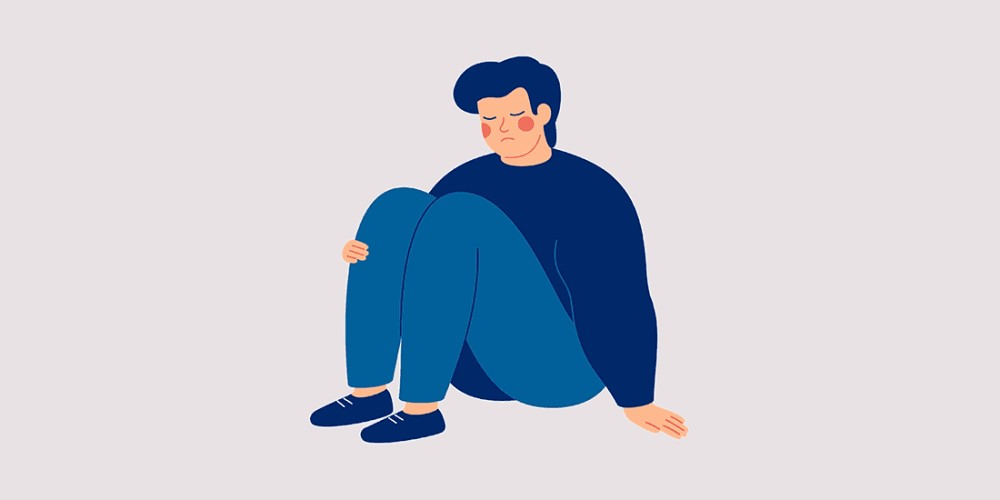
a. Guilt and shame
One of the most prevalent side effects is emotional discomfort, often rooted in:
- Cultural beliefs.
- Religious teachings.
- Personal upbringing.
Individuals may experience:
- Guilt after the act.
- Anxiety related to morality.
- Shame associated with sexuality.
Importantly, these feelings are not caused by masturbation itself, but by external belief systems and internalized stigma. Persistent guilt can negatively affect:
- Self-esteem
- Sexual identity
- Mental health
b. Anxiety and compulsive thought patterns
In some individuals, masturbation may become linked with:
- Stress relief.
- Emotional coping.
This can create a reinforcement loop, where:
- Stress triggers the urge.
- Masturbation provides temporary relief.
- The brain associates the behavior with coping.
Over time, this may contribute to:
- Habit formation.
- Psychological dependence.
c. Compulsive masturbation (behavioral addiction)
While not formally classified as a standalone addiction in all diagnostic systems, compulsive sexual behavior is recognized as a legitimate concern. Signs include:
- Inability to control urges.
- Excessive time spent on the activity.
- Neglect of responsibilities.
This can lead to:
- Reduced productivity.
- Social withdrawal.
- Emotional distress.
When masturbation interferes with daily life, it transitions from a normal behavior to a potential behavioral disorder.
Social and lifestyle consequences
The broader impact on daily life and relationships depends largely on whether the behavior remains balanced or becomes disruptive.
a. Interference with daily activities
Excessive masturbation may disrupt:
- Work performance.
- Academic responsibilities.
- Personal routines.
Examples include:
- Missing deadlines.
- Skipping social engagements.
- Reduced focus.
This is less about the act itself and more about loss of behavioral control.
b. Impact on relationships
In certain contexts, frequent masturbation can affect relationships by:
- Reducing intimacy with a partner.
- Creating unrealistic expectations.
- Diverting emotional energy away from relationships.
However, it is important to note that moderate masturbation does not harm relationships and may even enhance sexual satisfaction in some cases.
c. Social isolation
When compulsive, masturbation may contribute to:
- Avoidance of social interaction.
- Preference for solitary sexual gratification.
Over time, this can:
- Limit interpersonal development.
- Affect emotional connections.
Sexual function concerns
Sexual performance issues linked to masturbation are uncommon and typically result from specific habits rather than the act itself.
a. Difficulty achieving orgasm with a partner
Known informally as “death grip syndrome”, this occurs when:
- The body becomes accustomed to a specific type of stimulation.
Consequences may include:
- Reduced responsiveness during intercourse.
- Delayed orgasm.
This is not permanent and can be addressed through behavioral adjustments.
b. Psychological erectile difficulties
Contrary to common myths:
- Masturbation does not cause erectile dysfunction.
However, indirect effects may occur if:
- There is excessive reliance on specific stimuli (e.g., pornography).
- Performance anxiety develops.
Scientific evidence shows that ED is usually caused by medical or psychological factors unrelated to masturbation.
Distinguishing myths from reality
A major challenge in discussing side effects is the persistence of misinformation.
a. Common myths
Masturbation does not cause:
- Blindness
- Infertility
- Acne
- Hairy palms
- Penis shrinkage
- Hormonal imbalance
- Permanent erectile dysfunction
These beliefs are rooted in outdated or moralistic narratives rather than scientific evidence.
b. Why myths persist
The endurance of these myths can be attributed to:
- Cultural taboos.
- Lack of comprehensive sex education.
- Historical moral frameworks.
As a result, misinformation often overshadows factual understanding.
When does masturbation become problematic?
Masturbation becomes a concern when it meets the following criteria:
Behavioral indicators:
- Interferes with daily functioning.
- Becomes compulsive or uncontrollable.
- Replaces real-life interactions.
Psychological indicators:
- Persistent guilt or distress.
- Dependence as a coping mechanism.
- Anxiety when unable to engage.
Physical indicators:
- Recurrent irritation or injury.
- Noticeable changes in sensitivity.
In such cases, professional support – such as therapy or counseling – may be beneficial.
Managing and preventing negative side effects
Adopting mindful practices and maintaining moderation are key to ensuring masturbation remains a healthy and non-disruptive activity.
a. Moderation and awareness
There is no “normal” frequency for masturbation; what matters is whether it:
- Fits within a balanced lifestyle.
- Does not cause distress or disruption.
b. Healthy technique
To avoid physical issues:
- Use lubrication when necessary.
- Avoid excessive force.
- Allow recovery time.
c. Addressing emotional factors
If guilt or anxiety is present:
- Explore the source of these feelings.
- Seek evidence-based information.
- Consider speaking with a mental health professional.
d Replacing compulsive patterns
If behavior becomes excessive:
- Engage in alternative activities (exercise, hobbies).
- Build social connections.
- Practice mindfulness and stress management.
A balanced perspective
The overarching conclusion from medical research is clear:
- Masturbation is not inherently harmful.
- Most “side effects” are either minor, temporary, or psychological.
- The primary risks arise from excess, compulsion, or negative emotional associations.
In fact, many experts emphasize that masturbation is one of the safest forms of sexual activity, provided it does not interfere with overall well-being.
Conclusion
The discourse surrounding masturbation has long been shaped by misinformation and cultural bias. When examined through a scientific lens, the picture becomes significantly clearer; there are no serious physical side effects, and most concerns arise only under specific conditions – particularly excessive or compulsive behavior. The most notable effects are psychological, often linked to guilt, social conditioning, or behavioral patterns rather than the act itself.
Understanding these distinctions is essential. Rather than viewing masturbation as inherently harmful, it is more accurate to consider it a neutral human behavior whose impact depends on context, moderation, and individual perception. Ultimately, the key lies in balance, self-awareness, and informed understanding – ensuring that the practice remains a healthy part of human sexuality rather than a source of distress or dysfunction.