










































































































































































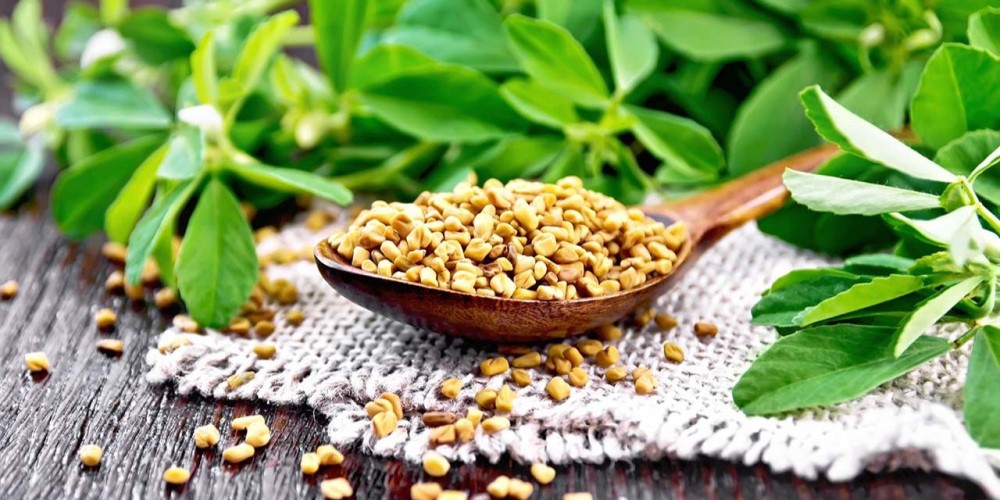
Fenugreek, scientifically known as Trigonella foenum-graecum, is a versatile medicinal herb that has been used for centuries in traditional systems such as Ayurveda, Chinese medicine, and Middle Eastern healing practices. Its seeds and leaves are widely consumed as both a culinary spice and a therapeutic agent. Modern scientific research has increasingly validated many of its traditional uses, revealing that fenugreek contains bioactive compounds such as saponins, flavonoids, alkaloids, and soluble fiber that contribute to its wide-ranging health benefits.
Nutritional composition and active compounds
Fenugreek seeds are nutritionally dense and pharmacologically active. They contain significant amounts of soluble fiber, proteins, iron, magnesium, and various phytochemicals. Among the most important compounds are:
- Diosgenin: Associated with cholesterol regulation and hormonal effects.
- 4-hydroxyisoleucine: Linked to improved insulin secretion.
- Saponins and flavonoids: Known for antioxidant and anti-inflammatory properties.
- Mucilage: A gel-like fiber that soothes the digestive tract.
These compounds collectively explain fenugreek’s broad therapeutic profile, particularly in metabolic and inflammatory conditions.
1. Blood sugar regulation and diabetes management
One of the most well-documented health benefits of fenugreek is its ability to regulate blood glucose levels. Research indicates that fenugreek can slow carbohydrate digestion and enhance insulin sensitivity, making it particularly beneficial for individuals with type 2 diabetes. The soluble fiber in fenugreek delays the absorption of sugar in the intestines, thereby preventing sharp spikes in blood glucose.
Additionally, compounds such as 4-hydroxyisoleucine stimulate insulin secretion, further supporting glucose control. Clinical observations have shown that individuals who incorporate fenugreek into their diet may experience lower fasting blood sugar levels and improved insulin response. While these findings are promising, fenugreek should be viewed as a complementary therapy rather than a substitute for prescribed diabetes medication.
2. Cardiovascular health and cholesterol reduction
Fenugreek plays a significant role in promoting heart health. Its high fiber content helps reduce the absorption of cholesterol in the digestive tract, thereby lowering levels of low-density lipoprotein (LDL), often referred to as “bad cholesterol”. Additionally, fenugreek has been associated with modest reductions in blood pressure. A systematic review found that fenugreek supplementation, particularly in higher doses, may lower systolic blood pressure. The herb also influences lipid metabolism through its bioactive compounds, which help regulate cholesterol and bile acid production. Together, these effects contribute to a reduced risk of cardiovascular diseases such as hypertension, atherosclerosis, and heart attacks.
3. Digestive health and gastrointestinal support
Fenugreek is widely recognized for its positive impact on digestive health. Its high fiber content promotes regular bowel movements and helps prevent constipation. Moreover, the mucilage present in fenugreek forms a protective layer along the stomach lining, reducing irritation and inflammation. This makes fenugreek particularly beneficial for individuals suffering from conditions such as:
- Gastritis
- Irritable bowel syndrome (IBS)
- Acid reflux
Fenugreek also stimulates the production of digestive enzymes, improving nutrient absorption and reducing symptoms like bloating and indigestion. Its soothing properties make it a natural remedy for maintaining gastrointestinal balance and overall gut health.
4. Anti-inflammatory and antioxidant properties
Chronic inflammation is a key contributor to many diseases, including arthritis, diabetes, and cardiovascular disorders. Fenugreek exhibits strong anti-inflammatory effects due to its high antioxidant content. Laboratory studies suggest that fenugreek compounds can inhibit inflammatory pathways and reduce oxidative stress in the body. Furthermore, fenugreek enhances the activity of antioxidant enzymes such as superoxide dismutase and glutathione peroxidase, which protect cells from damage caused by free radicals. These properties make fenugreek a valuable addition to diets aimed at reducing inflammation and preventing chronic diseases.
5. Hormonal balance and reproductive health
Fenugreek has long been used to support hormonal health in both men and women.
a. Effects in women
Fenugreek is known to alleviate menstrual discomfort, including cramps and pain. Some studies indicate that women who consume fenugreek experience reduced severity and duration of menstrual symptoms. It is also commonly used to support lactation. Research has shown that fenugreek tea may significantly increase breast milk production in nursing mothers. Additionally, fenugreek may help manage menopausal symptoms such as hot flashes by supporting hormonal balance.
b. Effects in men
Fenugreek has been linked to increased testosterone levels and improved sexual function. Clinical trials have reported enhancements in libido, strength, and overall well-being in men who consume fenugreek supplements. These effects are believed to result from fenugreek’s ability to inhibit enzymes that convert testosterone into other hormones.
6. Weight management and appetite control
Fenugreek may aid in weight management by promoting a feeling of fullness. The soluble fiber in fenugreek expands in the stomach, slowing digestion and reducing appetite. This satiety effect can help individuals control calorie intake and avoid overeating. Additionally, fenugreek may influence fat metabolism and reduce the absorption of dietary fats and sugars, further supporting weight control efforts. Although not a standalone solution for weight loss, fenugreek can be a useful component of a balanced diet and healthy lifestyle.
7. Muscle strength and physical performance
Emerging research suggests that fenugreek may enhance physical performance and muscle strength. Its bioactive compounds are believed to improve creatine uptake in muscles, leading to better endurance and faster recovery. A systematic review indicates that fenugreek supplementation may positively influence muscle performance and training outcomes. These properties make fenugreek particularly appealing to athletes and individuals engaged in regular physical activity.
8. Liver protection and detoxification
Fenugreek has demonstrated hepatoprotective (liver-protecting) properties in various studies. It helps reduce oxidative stress in liver tissues and supports the regeneration of damaged cells. Research shows that fenugreek can:
- Normalize liver enzyme levels.
- Reduce lipid accumulation in the liver.
- Enhance bile flow and detoxification processes.
These effects are particularly relevant for conditions such as non-alcoholic fatty liver disease (NAFLD) and toxin-induced liver damage.
9. Skin and hair health
Fenugreek is also valued for its benefits in skincare and hair care. Its antibacterial and anti-inflammatory properties help combat skin conditions such as acne and eczema. When applied topically, fenugreek may:
- Reduce skin irritation.
- Promote wound healing.
- Improve skin hydration.
In hair care, fenugreek is believed to strengthen hair follicles, reduce dandruff, and promote hair growth due to its protein and micronutrient content.
10. Immune system support
Fenugreek contributes to immune health through its antioxidant and antimicrobial properties. By reducing oxidative stress and inhibiting harmful microorganisms, it helps strengthen the body’s natural defense mechanisms. This immune-boosting effect can support overall health and reduce susceptibility to infections.
Potential risks and side effects
Despite its numerous benefits, fenugreek should be consumed with caution in certain situations. Possible side effects include:
- Digestive discomfort such as diarrhea or nausea.
- Allergic reactions in sensitive individuals.
- Excessively low blood sugar when taken in large amounts.
Fenugreek may also interact with medications, particularly those used to manage diabetes or blood pressure. Additionally, high doses are not recommended during pregnancy due to potential risks. Consultation with a healthcare professional is advisable before incorporating fenugreek supplements into one’s routine.
Practical ways to incorporate fenugreek
Fenugreek can be consumed in several forms, making it easy to integrate into daily life:
- Seeds: Soaked overnight and eaten in the morning.
- Powder: Added to food or beverages.
- Tea: Brewed from seeds or leaves.
- Capsules: Standardized supplements for therapeutic use.
In culinary applications, fenugreek is commonly used in curries, spice blends, and herbal teas, offering both flavor and health benefits.
Conclusion
Fenugreek stands out as a powerful natural remedy with a broad spectrum of health benefits. From regulating blood sugar and improving heart health to enhancing digestion, hormonal balance, and physical performance, its therapeutic potential is both diverse and scientifically supported. However, while fenugreek offers significant health advantages, it should be used responsibly and as part of a balanced lifestyle. Its role is best understood as complementary rather than curative, working alongside proper nutrition, medical care, and healthy habits. As research continues to evolve, fenugreek remains a compelling example of how traditional herbal medicine and modern science can converge to support human health in meaningful ways.