









































































































































































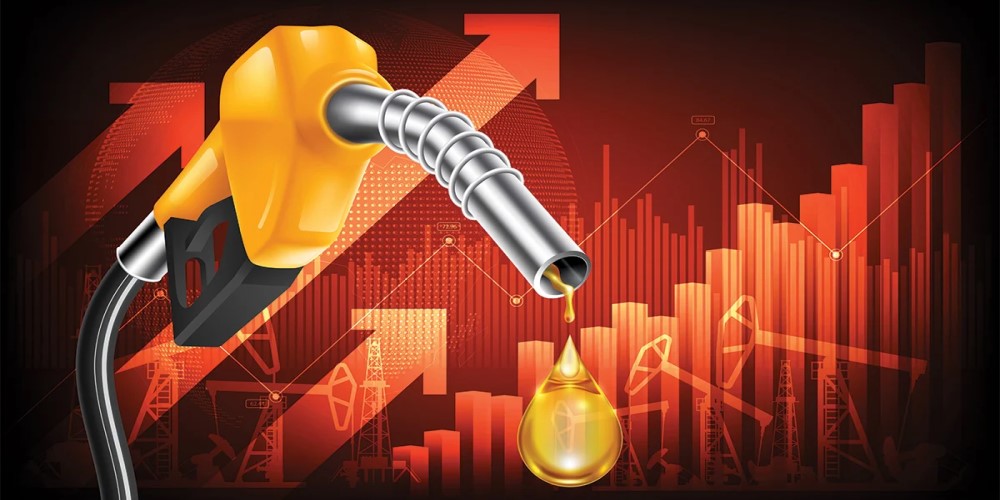
The fuel station business – commonly referred to as a petrol station, gas station, or service station – is one of the most capital-intensive yet resilient ventures in the global retail and energy sectors. Despite fluctuations in fuel prices and increasing interest in alternative energy, the demand for petroleum products remains consistently high, driven by transportation, logistics, and industrial activity. Establishing a fuel station requires more than just capital. It demands strategic planning, regulatory compliance, operational discipline, and a deep understanding of the economics of fuel retailing.
1. Understanding the fuel station business model
At its core, a fuel station is a retail outlet that sells petroleum products such as petrol (gasoline), diesel, and sometimes liquefied petroleum gas (LPG). However, modern fuel stations have evolved into multi-service retail hubs offering convenience stores, car wash services, and quick-service restaurants.
a. Dual revenue structure
A key insight often overlooked by new entrants is that fuel sales alone generate relatively low profit margins. On average, fuel retailers earn only a small margin per liter or gallon sold, sometimes just a few cents after expenses. Instead, profitability is driven by:
- Convenience store sales (snacks, beverages, groceries).
- Car wash services.
- Automotive products (lubricants, accessories).
- Ancillary services (air pumps, ATMs, mobile money services).
In fact, non-fuel sales can contribute the majority of profits, with significantly higher margins than fuel itself.
b. Industry characteristics
The fuel retail industry is defined by:
- High capital requirements.
- Thin margins on core products.
- Heavy regulation.
- Strong dependence on location and traffic flow.
- Contractual relationships with fuel suppliers.
Understanding these characteristics is critical before committing to the business.
2. Conducting market research and feasibility analysis
Before investing millions into a fuel station, thorough market research is essential.
a. Demand analysis
Evaluate:
- Traffic volume (daily vehicle flow).
- Population density.
- Vehicle ownership rates.
- Proximity to highways, commercial centers, and residential areas.
High traffic locations tend to generate higher fuel volumes and foot traffic for retail sales.
b. Competition assessment
Analyze nearby fuel stations:
- Number of competitors within a given radius.
- Pricing strategies.
- Services offered (car wash, food outlets, etc.)
Understanding competitors helps you identify gaps and opportunities.
c. Site suitability
An ideal location should have:
- Easy entry and exit for vehicles.
- High visibility.
- Adequate space for expansion.
- Compliance with zoning regulations.
Location is often the single most important success factor in this business.
3. Developing a business plan
A well-structured business plan is essential for guiding operations and securing financing.
a. Key components
Your business plan should include:
- Executive summary.
- Market analysis.
- Business model and revenue streams.
- Operational plan.
- Financial projections.
- Risk assessment.
b. Revenue projections
Estimate:
- Monthly fuel sales volume.
- Profit per liter/gallon.
- Revenue from non-fuel services.
For instance, a station selling tens of thousands of liters monthly can generate stable income due to consistent demand.
4. Legal requirements and licensing
Fuel stations are heavily regulated due to safety and environmental risks.
a. Licenses and permits
Typical requirements include:
- Petroleum retail license.
- Environmental impact assessment approval.
- Fire safety certification.
- Construction permits.
- Business registration and tax compliance.
In many jurisdictions, operators must also demonstrate land ownership or a long-term lease and meet strict safety standards.
b. Compliance standards
You must adhere to:
- Environmental protection laws.
- Fuel storage and handling regulations.
- Occupational health and safety standards.
Failure to comply can result in fines, closure, or legal liability.
5. Capital investment and financing
Starting a fuel station requires substantial capital investment.
a. Estimated costs
Costs vary widely depending on location and scale but typically include:
- Land acquisition or lease.
- Construction and infrastructure.
- Fuel storage tanks.
- Fuel dispensing pumps.
- Safety systems.
- Initial fuel inventory.
In some markets, total startup costs can range from tens of millions to over a hundred million in local currency equivalents.
b. Financing options
Funding sources include:
- Bank loans.
- Private investors.
- Joint ventures.
- Oil company partnerships.
A strong business plan is essential for securing financing.
6. Choosing a business model
Fuel stations can operate under different ownership and operational structures.
a. Independent model
- Full ownership and control.
- Higher risk but greater flexibility.
- Requires independent fuel sourcing.
b. Franchise or branded model
- Operate under a major oil company brand.
- Access to supply chain and marketing support.
- Less operational freedom.
c. Hybrid models
Common arrangements include:
- Dealer-owned, company-operated (DOCO).
- Company-owned, dealer-operated (CODO).
These models define responsibilities for construction, branding, and operations.
7. Construction and infrastructure development
Building a fuel station involves specialized engineering and safety considerations.
a. Key components
- Underground storage tanks.
- Fuel dispensing systems.
- Canopy and forecourt.
- Drainage and spill containment systems.
- Electrical and monitoring systems.
b. Safety features
- Fire suppression systems.
- Emergency shut-off valves.
- Leak detection systems.
Compliance with engineering standards is mandatory to ensure safety and regulatory approval.
8. Fuel supply and supplier agreements
Fuel supply is governed by contractual agreements.
a. Supplier relationships
You may source fuel from:
- Major oil companies.
- Independent distributors.
b. Contract considerations
Key terms include:
- Pricing structure.
- Credit terms.
- Supply reliability.
- Exclusivity clauses.
These agreements significantly influence profitability and competitiveness.
9. Operations and management
Efficient operations are critical due to thin margins.
a. Staffing
Hire:
- Fuel attendants.
- Cashiers.
- Supervisors.
- Maintenance personnel.
Training is essential for safety and customer service.
b. Inventory management
- Monitor fuel levels.
- Prevent theft and losses.
- Use automated systems for tracking.
c. Customer experience
- Clean facilities.
- Quick service.
- Friendly staff.
These factors influence repeat business.
10. Revenue diversification strategies
To maximize profitability, diversify income streams.
a. Convenience store
Sell:
- Snacks and beverages.
- Groceries.
- Personal care items.
These products often have higher profit margins.
b. Value-added services
- Car wash services.
- Tire services.
- Mobile money or ATM services.
c. Food and beverage partnerships
Partner with:
- Fast food chains.
- Coffee brands.
These partnerships increase foot traffic and revenue.
11. Profitability and financial management
Understanding the economics of the business is essential.
a. Fuel margins
Fuel margins are typically low, often between 1% and 3%, making high sales volume critical.
b. Cost management
Key expenses include:
- Fuel procurement.
- Staff wages.
- Utilities.
- Maintenance.
- Credit card processing fees.
c. Break-even analysis
Calculate:
- Fixed costs.
- Variable costs.
- Required sales volume.
This helps determine how long it will take to become profitable.
12. Risk management
Fuel station businesses face several risks.
a. Environmental risks
- Fuel leaks.
- Soil and groundwater contamination.
b. Market risks
- Fuel price volatility.
- Competition.
c. Operational risks
- Theft and fraud.
- Equipment failure.
Proper insurance and compliance measures are essential.
13. Technology integration
Modern fuel stations rely on technology for efficiency.
a. Point-of-Sale systems
- Track sales.
- Manage inventory.
- Generate reports.
b. Fuel monitoring systems
- Detect leaks.
- Monitor tank levels.
c. Digital Ppayments
- Mobile payments.
- Card transactions.
Technology enhances efficiency and reduces losses.
14. Marketing and branding
Even in a high-demand industry, marketing matters.
a. Location branding
- Clear signage.
- Attractive design.
b. Customer loyalty programs
- Discounts.
- Rewards programs.
c. Promotions
- Bundle offers.
- Seasonal discounts.
15. Growth and expansion strategies
Once established, consider scaling the business.
a. Opening additional locations
- Replicate successful models.
- Target high-traffic areas.
b. Expanding services
- Add restaurants.
- Introduce EV charging stations.
c. Franchising
- Allow others to operate under your brand.
Conclusion
Starting a fuel station business is a complex but potentially rewarding venture that combines elements of retail, real estate, and energy distribution. While the industry offers stable demand and predictable revenue streams, success depends on meticulous planning, strategic location selection, regulatory compliance, and operational excellence. The most important takeaway is that fuel sales alone do not define profitability.
Instead, the modern fuel station thrives as a diversified service hub, leveraging high-margin ancillary products and services to complement low-margin fuel sales. Entrepreneurs who understand this dynamic – and build their business accordingly – are far more likely to succeed. Ultimately, a fuel station is not just a place where vehicles refuel; it is a business ecosystem that, when properly managed, can generate sustainable income and long-term value.