









































































































































































Selecting the right insurance company is one of the most important financial decisions an individual or business can make. Insurance is not merely about compliance or ticking a box – it is about safeguarding your health, assets, income, and future against uncertainties. In a market where numerous insurers offer a wide range of products, making the right choice requires careful evaluation, informed judgment, and a clear understanding of your needs. A poorly chosen insurer can lead to delayed claims, inadequate coverage, or unexpected costs. Conversely, the right provider becomes a reliable partner in times of need, offering financial stability and peace of mind.
Understanding your insurance needs
Before comparing insurance companies, it is essential to clearly define what you need coverage for. Insurance is not a one-size-fits-all product, and your requirements will depend on your personal or business circumstances.
Personal insurance needs
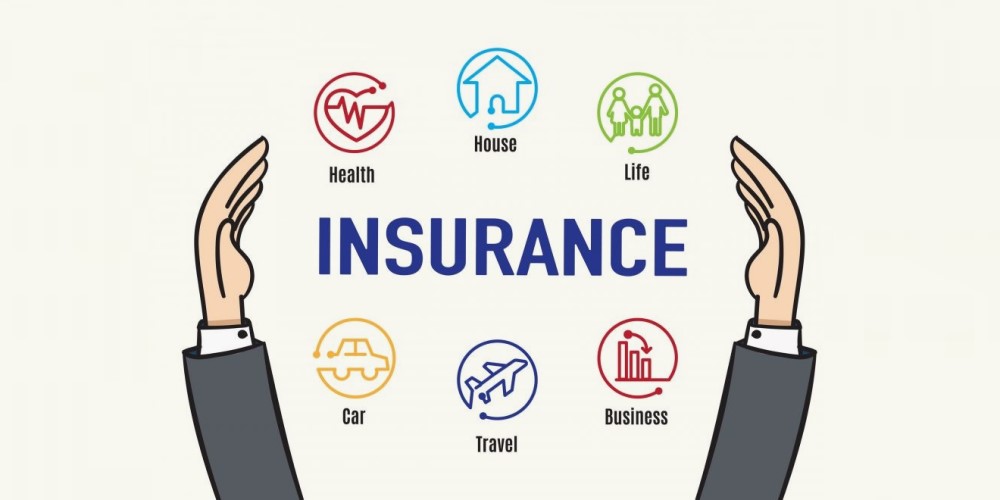
Individuals typically seek insurance for health, life, motor vehicles, property, or travel. For instance, a young professional may prioritize health insurance, while a family-oriented individual might focus more on life and education policies.
Business insurance needs
Businesses require coverage for risks such as property damage, liability, employee health, and operational interruptions. The size and nature of your business will significantly influence the type of insurance required.
Risk assessment
Understanding the risks you face helps you determine the level and type of coverage needed. For example, someone living in a flood-prone area may need additional property insurance, while a frequent traveler may require comprehensive travel coverage. Clearly defining your needs ensures that you focus on insurers who specialize in the relevant areas rather than being overwhelmed by unnecessary options.
Evaluating the financial strength of the insurance company
An insurance policy is essentially a promise – a commitment by the insurer to compensate you in the event of a loss. This promise is only as reliable as the company’s financial strength.
Why financial stability matters
A financially stable insurer is more likely to pay claims promptly and remain operational in the long term. Companies with weak financial foundations may struggle during periods of high claim volumes, such as natural disasters.
Indicators of financial strength
- Regulatory compliance and licensing
- Published financial statements and annual reports
- Credit ratings (where available)
- Market reputation and longevity
Choosing a financially sound insurer reduces the risk of claim disputes or delays caused by liquidity challenges.
Assessing claim settlement reputation
The efficiency with which an insurance company processes claims is arguably the most critical factor in your decision-making process.
Key considerations
- Speed of processing: How long does the insurer take to settle claims?
- Transparency: Are the claim procedures clearly outlined?
- Approval rates: Does the company have a history of honoring claims fairly?
Real-world insight
Customer reviews, testimonials, and word-of-mouth recommendations can provide valuable insights into an insurer’s claim settlement practices. A company with a strong reputation for fairness and efficiency is always preferable.
Reviewing product range and flexibility
A good insurance company offers a diverse portfolio of products that cater to different needs. However, diversity alone is not enough – flexibility is equally important.
Comprehensive coverage options
Look for insurers that provide a wide range of policies, including health, life, motor, property, and specialized covers such as agricultural or business insurance.
Customization
The ability to tailor policies to suit your specific needs is a significant advantage. Flexible insurers allow you to adjust coverage limits, add riders, or modify terms without excessive restrictions.
Scalability
As your circumstances change, your insurance needs will evolve. Choosing a company that allows you to upgrade or modify your coverage ensures continuity and convenience.
Comparing premiums and value for money
Cost is a crucial factor when choosing an insurance company, but it should not be the sole determinant.
Understanding premiums
Premiums vary based on factors such as age, risk profile, coverage limits, and policy type. While lower premiums may seem attractive, they often come with reduced benefits or higher deductibles.
Value over price
Focus on the value offered rather than just the cost. A slightly higher premium may provide significantly better coverage, fewer exclusions, and a smoother claims process.
Hidden costs
Carefully review policy documents to identify hidden charges, such as administrative fees, penalties, or co-payments. Transparency in pricing is a hallmark of a trustworthy insurer.
Evaluating customer service and accessibility
Insurance is a long-term relationship, and the quality of customer service can significantly impact your experience.
Accessibility
Consider how easy it is to reach the insurer. Do they have multiple branches, a responsive call center, or a user-friendly online platform?
Responsiveness
Prompt responses to inquiries and concerns indicate a customer-focused approach. Delayed communication can be frustrating, especially during emergencies.
Professionalism
Knowledgeable and courteous staff enhance the overall experience, ensuring that you fully understand your policy and receive appropriate guidance.
Leveraging technology and digital platforms
The modern insurance landscape is increasingly driven by technology. Companies that embrace digital innovation offer greater convenience and efficiency.
Online services
Look for insurers that allow you to purchase policies, make payments, and file claims online. This reduces paperwork and saves time.
Mobile integration
Mobile apps and USSD services are particularly valuable, enabling customers to access services on the go.
Automation and tracking
Digital platforms that provide real-time updates on claims and policy status enhance transparency and trust.
Understanding policy terms and conditions
One of the most common mistakes policyholders make is failing to read and understand the terms of their insurance contracts.
Key elements to review
- Coverage limits
- Exclusions and limitations
- Deductibles and co-payments
- Renewal terms and conditions
Importance of clarity
A reputable insurance company provides clear, straightforward policy documents and is willing to explain any complex terms. Avoid insurers that rely on vague or ambiguous language.
Checking regulatory compliance and industry standing
All insurance companies must be licensed and regulated. This ensures adherence to industry standards and protects policyholders.
Why regulation matters
Regulation promotes transparency, accountability, and consumer protection. It also provides a mechanism for dispute resolution in case of disagreements.
Industry recognition
Awards, certifications, and professional affiliations can also indicate a company’s credibility and commitment to excellence.
Seeking professional advice
Insurance brokers and financial advisors can provide valuable insights when choosing an insurance company. Benefits of using a broker:
- Access to multiple insurers and products.
- Expert advice tailored to your needs.
- Assistance with claims and policy management.
However, ensure that the broker is licensed and operates with transparency to avoid conflicts of interest.
The role of customer feedback and reviews
In today’s digital age, customer feedback is readily available and can offer practical insights into an insurer’s performance. What to look for:
- Consistency in positive or negative reviews.
- Specific feedback on claims handling.
- Overall customer satisfaction.
While reviews should not be the sole basis for your decision, they can highlight patterns that may not be evident from official information.
Conclusion
Choosing the right insurance company is a deliberate process that requires careful consideration of multiple factors, including financial strength, claim settlement efficiency, product range, affordability, and customer service. It is not simply about finding the cheapest option, but rather about identifying a provider that offers reliability, transparency, and value. In a dynamic and evolving market, the ideal insurer is one that adapts to your changing needs while maintaining high standards of service delivery.
By taking the time to assess your requirements, compare options, and understand policy details, you can make a well-informed decision that secures your financial future. Ultimately, the right insurance company is not just a service provider – it is a trusted partner that stands by you in times of uncertainty, offering protection, stability, and peace of mind.