









































































































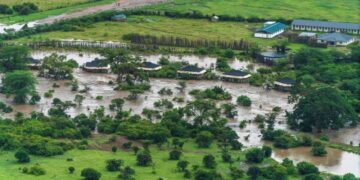





























































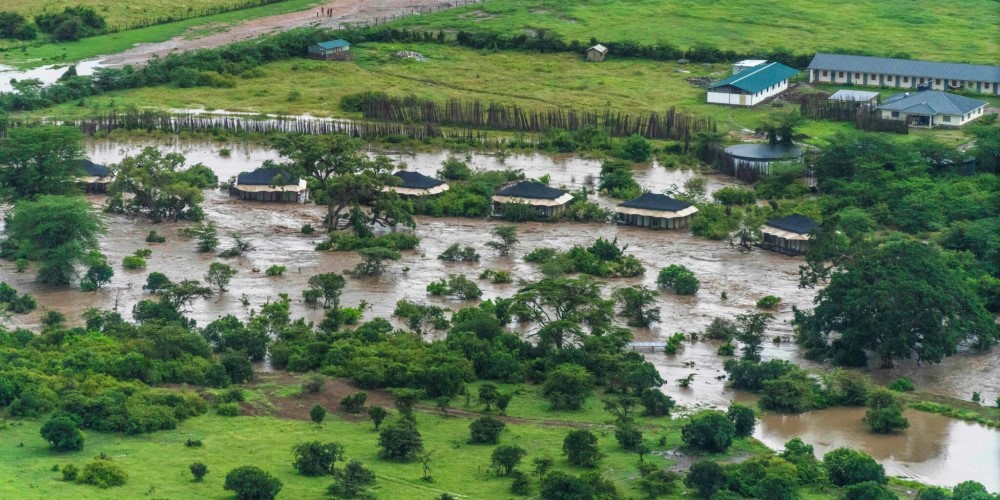
As Kenya continues to experience increasingly unpredictable weather patterns, the threat of flooding has become a persistent and growing concern. From the low-lying informal settlements in urban centers like Nairobi to the floodplains along major rivers such as the Tana and Nyando, the destructive impact of floods is both widespread and deeply felt. Heavy rainfall, poor drainage infrastructure, deforestation, and the broader effects of climate change have all contributed to more frequent and severe flooding events.
In this evolving environmental landscape, the importance of flood insurance cannot be overstated. Despite the rising risks, flood insurance in Kenya remains a relatively underexplored and misunderstood financial tool. Many property owners assume that their standard insurance policies will cover flood-related damage, only to discover – often too late – that such coverage is excluded.
What is flood insurance?
Flood insurance is a specialized type of insurance policy designed to protect individuals and businesses against losses caused specifically by flooding. Unlike conventional homeowners’ or property insurance policies, which typically exclude flood damage, flood insurance provides targeted coverage for damage resulting from rising water levels. For homeowners, flood insurance generally covers both the structure of the building and, depending on the policy, the contents within it.
This includes essential structural components such as walls, floors, roofing, electrical systems, plumbing, and built-in appliances. Additionally, personal belongings like furniture, electronics, clothing, and household items may also be covered. For renters, flood insurance operates differently. Since tenants do not own the physical structure of the property, their policies are limited to covering personal possessions within the rented space. Business owners can also obtain flood insurance to protect commercial properties, inventory, machinery, and operational continuity.
Why flood insurance matters in Kenya
To fully appreciate the role of flood insurance, it is essential to examine why it has become increasingly relevant within Kenya’s evolving environmental and economic landscape.
1. Increasing climate risks
Kenya has witnessed a notable increase in extreme weather events over the past decade. Climate change has intensified rainfall patterns, leading to flash floods and prolonged inundation in vulnerable regions. Urban areas are particularly at risk due to inadequate drainage systems and rapid, unplanned development.
2. Economic vulnerability
Flooding often results in significant financial losses, including property damage, loss of income, and displacement. Without insurance, individuals and businesses must bear the full cost of recovery, which can be financially devastating. Flood insurance serves as a critical safety net, enabling faster recovery and reducing long-term economic strain.
3. Limited government compensation
While the Kenyan government occasionally provides relief assistance following major disasters, such support is typically limited and not guaranteed. Insurance offers a more reliable and structured form of financial protection.
Determining the need for flood insurance
Before committing to a policy, individuals and businesses must carefully evaluate the specific factors that determine whether flood insurance is necessary for their situation.
1. Geographic location
The location of a property is the most significant factor in assessing flood risk. Properties situated near rivers, lakes, coastal areas, or in low-lying regions are inherently more vulnerable. Areas such as Budalangi, Kano Plains, and parts of Mombasa frequently experience flooding and should be considered high-risk zones.
2. Historical flood data
Understanding the flood history of a particular area can provide valuable insights. Regions with a pattern of recurring floods are more likely to experience future events. Local government records, community reports, and environmental studies can help in assessing this risk.
3. Urban infrastructure
In cities like Nairobi, flooding is often exacerbated by poor drainage systems and blocked waterways. Even areas not traditionally considered flood-prone can become vulnerable during heavy rains due to infrastructure limitations.
4. Mortgage and lending requirements
Financial institutions may require flood insurance as a condition for issuing or maintaining a mortgage, particularly if the property is located in a high-risk zone. This requirement protects the lender’s investment and ensures that the borrower can recover financially in the event of a flood.
5. Value of property and assets
The higher the value of your property and possessions, the greater the need for protection. Flood insurance is particularly important for individuals who have invested significantly in their homes or businesses.
Key benefits of flood insurance
Understanding the practical advantages of flood insurance provides clarity on how it safeguards both property and financial stability in times of crisis.
1. Structural protection
Flood insurance provides coverage for the physical structure of a building. This includes foundational elements, walls, flooring, roofing systems, and permanent fixtures. In the event of severe damage, the policy may cover repair or reconstruction costs.
2. Coverage for personal belongings
Policies often extend to cover personal items within the property. This can include furniture, electronics, clothing, and other valuables, helping policyholders avoid substantial out-of-pocket expenses.
3. Business continuity
For businesses, flood insurance can be the difference between temporary disruption and permanent closure. Coverage may include damage to inventory, equipment, and even loss of income during downtime.
4. Peace of mind
Perhaps one of the most overlooked benefits is the psychological assurance that comes with being insured. Knowing that financial protection is in place allows individuals and businesses to focus on recovery rather than survival.
Factors influencing flood insurance premiums
A closer look at how premiums are calculated reveals the various risk and property-related elements that ultimately determine the cost of coverage.
1. Risk level of location
Properties in high-risk flood zones typically attract higher premiums due to the increased likelihood of claims. Conversely, properties in low-risk areas may benefit from more affordable rates.
2. Coverage limits
The amount of coverage selected directly impacts the premium. Higher coverage limits provide greater protection but come at a higher cost.
3. Deductible amount
The deductible is the portion of a claim that the policyholder must pay before the insurer covers the remaining costs. Opting for a higher deductible can reduce the premium but increases out-of-pocket expenses during a claim.
4. Property elevation
Homes built above the base flood elevation are generally less susceptible to flood damage and may qualify for lower premiums. Elevation certificates can be used to assess this factor.
5. Construction type and materials
Buildings constructed with flood-resistant materials or designed with flood mitigation features may benefit from reduced premiums. For example, elevated structures or those with proper drainage systems are considered lower risk.
Common exclusions and limitations
While flood insurance provides critical coverage, it is not all-encompassing. Understanding its limitations is essential for informed decision-making.
- Gradual damage: Damage caused by long-term exposure to moisture or poor maintenance is typically not covered.
- External property: Items outside the building, such as landscaping, fences, and vehicles, may not be included.
- Temporary accommodation: Some policies may not cover the cost of alternative housing during repairs.
- Maximum payout limits: Policies often have caps on the amount payable, which may not fully cover high-value properties.
Steps to purchase flood insurance in Kenya
With a clear understanding of its importance and cost considerations, the next step involves navigating the process of acquiring an appropriate flood insurance policy in Kenya.
1. Risk assessment
Begin by evaluating your flood risk based on location, historical data, and environmental factors. This will help determine the level of coverage required.
2. Research insurance providers
Several insurance companies in Kenya offer flood insurance, including the National Insurance Corporation (NIC) and various private insurers. It is advisable to compare offerings from multiple providers.
3. Obtain quotes and compare policies
Request detailed quotations and review the terms of each policy. Pay close attention to coverage limits, exclusions, deductibles, and premium costs.
4. Complete application process
Fill out the necessary application forms and provide accurate information about your property, including location, construction type, and value.
5. Policy issuance and payment
Once the application is approved, pay the required premium to activate the policy. Ensure that you receive and understand all policy documents.
Enhancing protection beyond insurance
While flood insurance is a vital component of risk management, it should be complemented by proactive mitigation measures.
1. Structural improvements
Elevating buildings, installing flood barriers, and improving drainage systems can significantly reduce vulnerability.
2. Environmental conservation
Planting trees and preserving wetlands can help absorb excess water and reduce flood intensity.
3. Community planning
Collaborative efforts at the community level, such as maintaining drainage systems and avoiding construction in flood-prone areas, are essential for long-term resilience.
Conclusion
Flood insurance in Kenya is no longer a luxury – it is a necessity in an era defined by climate uncertainty and environmental challenges. As floods become more frequent and severe, the financial and emotional toll on individuals and communities continues to rise. By understanding the scope, benefits, and limitations of flood insurance, Kenyans can make informed decisions to protect their homes, businesses, and livelihoods. Investing in flood insurance is not merely about safeguarding property; it is about ensuring continuity, stability, and peace of mind in the face of an unpredictable future.