









































































































































































Comfrey is one of the oldest medicinal herbs used in traditional healing systems across Europe and parts of Asia. Scientifically known as Symphytum officinale, this perennial plant has been valued for centuries because of its remarkable ability to support wound healing, reduce inflammation, and promote recovery from injuries. Historical records show that comfrey was widely used in folk medicine long before the development of modern pharmaceuticals.
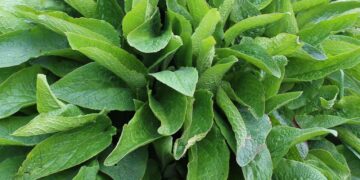
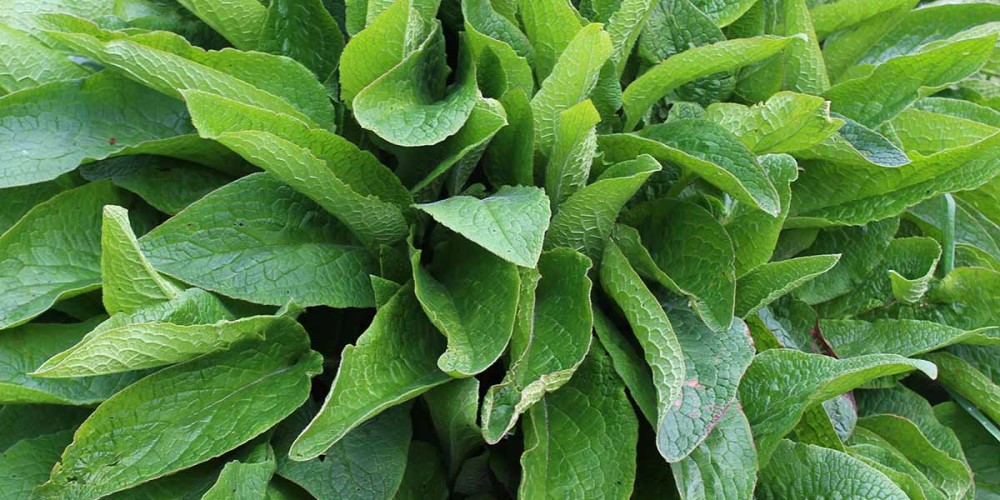
The plant is easily recognized by its broad hairy leaves and bell-shaped purple, pink, or cream-colored flowers. It grows abundantly in moist soils and has become popular among herbalists, gardeners, and natural health practitioners. Traditionally, comfrey was referred to as “knitbone,” a name derived from its historical use in helping fractures and broken bones heal more quickly.
Despite its impressive medicinal reputation, comfrey must also be approached with caution. While topical applications are widely used and researched, internal use of comfrey has become controversial due to certain naturally occurring compounds that may harm the liver when consumed in significant amounts. Understanding both the benefits and risks of comfrey is essential for safe and informed use.
Nutritional and medicinal composition
The healing properties of comfrey are linked to several biologically active compounds found in its leaves and roots. These include:
- Allantoin
- Rosmarinic acid
- Tannins
- Mucilage
- Choline
- Polysaccharides
- Phenolic acids
- Vitamins and minerals
Among these compounds, allantoin is considered the most significant. It stimulates cell proliferation and tissue regeneration, making comfrey especially valuable for skin repair and wound healing. Rosmarinic acid contributes anti-inflammatory and antioxidant effects, while tannins provide astringent properties that help tighten tissues and reduce irritation. Mucilage, a gel-like substance, soothes inflamed tissues and promotes hydration. Together, these compounds give comfrey its reputation as a potent natural remedy.
1. Promotes wound healing
One of the most widely recognized benefits of comfrey is its ability to accelerate wound healing. Comfrey has traditionally been applied to:
- Cuts
- Scrapes
- Burns
- Bruises
- Minor skin injuries
The allantoin found in comfrey stimulates the growth of new skin cells and supports tissue regeneration. This helps wounds close faster and may reduce scarring. Topical comfrey preparations such as ointments, creams, salves, and poultices are commonly used to soothe irritated skin and support healing. Some studies have shown that comfrey creams can significantly improve wound recovery compared to untreated areas. The herb’s anti-inflammatory and antimicrobial properties may also help prevent infections and minimize swelling around damaged tissue.
2. Reduces muscle and joint pain
Comfrey is frequently used as a natural remedy for musculoskeletal pain. People often apply comfrey creams or ointments to relieve:
- Back pain
- Sprains
- Strains
- Muscle soreness
- Joint stiffness
- Sports injuries
The anti-inflammatory compounds in comfrey can help reduce pain and swelling in affected tissues. Clinical studies have suggested that topical comfrey extracts may provide rapid relief for acute back pain and ankle sprains. Athletes and physically active individuals sometimes use comfrey-based products after exercise to support muscle recovery and reduce discomfort. Because it works locally where it is applied, topical comfrey can offer targeted relief without some of the gastrointestinal side effects associated with long-term use of certain oral pain medications.
3. Supports bone and fracture recovery
The nickname “knitbone” reflects comfrey’s longstanding association with bone healing. Historically, herbal practitioners used comfrey poultices on fractures, dislocations, and bruises. The herb was believed to promote faster tissue repair and reduce inflammation around injured bones and connective tissues. Although modern medicine does not recommend relying solely on comfrey for fractures, some evidence suggests that topical application may help ease pain and swelling during recovery. The regenerative effects of allantoin may support the healing process of surrounding tissues, including ligaments and tendons. However, comfrey should never replace professional medical treatment for serious injuries.
4. Helps relieve arthritis symptoms
People suffering from arthritis often seek natural therapies to manage pain and inflammation. Comfrey has emerged as one herbal option for topical symptom relief. Its anti-inflammatory compounds may help reduce:
- Joint swelling
- Stiffness
- Tenderness
- Reduced mobility
Topical comfrey preparations are commonly massaged into affected joints such as the knees, hands, shoulders, and elbows. Some studies have found that comfrey extract may improve mobility and reduce pain intensity in individuals with osteoarthritis. The herb’s soothing effects may also enhance comfort during physical activity. Because arthritis is a chronic condition, people should consult healthcare professionals before incorporating herbal therapies into their treatment plan.
5. May reduce inflammation
Inflammation is linked to numerous health conditions, including injuries, arthritis, and skin disorders. Comfrey contains rosmarinic acid and other compounds known for anti-inflammatory activity. These substances may help calm irritated tissues and reduce localized swelling. Topical use of comfrey may therefore benefit conditions involving inflammation such as:
- Tendonitis
- Bursitis
- Bruising
- Insect bites
- Minor skin irritation
Reducing inflammation can also contribute to faster healing and decreased pain.
6. Soothes skin conditions
Comfrey is widely used in natural skincare products because of its soothing and restorative properties. It may help manage certain skin issues including:
- Dry skin
- Irritation
- Minor burns
- Chapped skin
- Rashes
- Sunburn
The mucilage content in comfrey helps moisturize and soften the skin, while allantoin encourages skin regeneration. Many herbal skincare formulations include comfrey in creams, lotions, and balms designed for damaged or sensitive skin. However, comfrey should not be applied to deep open wounds or broken skin for prolonged periods unless advised by a qualified healthcare provider.
7. May help reduce bruising
Bruises occur when blood vessels beneath the skin are damaged due to trauma or injury. Comfrey’s anti-inflammatory and tissue-repairing properties may help bruises heal more quickly. Traditional herbal medicine often recommends comfrey compresses or creams to:
- Minimize discoloration.
- Reduce swelling.
- Ease tenderness.
Its soothing action may also improve comfort in injured areas. This benefit makes comfrey popular among individuals recovering from sports injuries or accidental falls.
8. Supports tendon and ligament recovery
Tendons and ligaments can take a long time to heal because of their limited blood supply. Comfrey has traditionally been used to assist recovery from:
- Tendon strains.
- Ligament sprains.
- Overuse injuries.
- Repetitive stress injuries.
The herb’s regenerative effects may support connective tissue repair and improve recovery time. Physical therapists and herbal practitioners sometimes recommend topical comfrey products alongside rehabilitation exercises and rest.
Traditional uses of comfrey
Throughout history, comfrey has been used in several traditional healing systems.
a. European folk medicine
In Europe, comfrey was widely used for:
- Bone fractures.
- Lung ailments.
- Digestive complaints.
- Wound healing.
Herbal poultices and teas were common methods of preparation.
b. Traditional external applications
Comfrey was often prepared as:
- Poultices
- Compresses
- Ointments
- Herbal oils
- Salves
These applications were mainly intended for localized healing.
Modern scientific perspective on comfrey
Modern research has validated some traditional uses of comfrey, particularly for external applications. Clinical studies have shown that topical comfrey preparations may help with:
- Acute back pain
- Muscle pain
- Osteoarthritis
- Ankle sprains
- Bruising
Researchers attribute these effects to allantoin and anti-inflammatory compounds found in the plant. However, scientists also emphasize safety concerns associated with internal use.
Safety concerns and risks
Although comfrey offers numerous therapeutic benefits, understanding its potential risks and proper usage guidelines is essential to ensure safe and responsible use.
Pyrrolizidine alkaloids
One of the biggest concerns regarding comfrey is the presence of compounds called pyrrolizidine alkaloids (PAs). These compounds may:
- Damage the liver.
- Cause liver toxicity.
- Increase the risk of serious health complications.
Because of these risks, many health authorities advise against consuming comfrey internally. Internal products such as comfrey tea or capsules are restricted or discouraged in several countries.
Safe usage guidelines
To minimize risk:
- Use comfrey externally only unless directed by a qualified healthcare provider.
- Avoid prolonged use.
- Do not apply to deep open wounds.
- Avoid using on broken skin for extended periods.
- Pregnant and breastfeeding women should avoid comfrey.
- Individuals with liver disease should not use comfrey.
- Keep comfrey products away from children unless approved by a healthcare professional.
Many commercial topical products now use PA-free comfrey extracts to improve safety.
Forms of comfrey available
Comfrey is available in several forms, including:
- Creams and ointments: Used for pain relief and skin support.
- Salves and balms: Applied to bruises, strains, and sore muscles.
- Herbal oils: Often used in massage therapy.
- Poultices: Fresh leaves may be crushed and applied externally.
- Dried leaves and roots: Used by herbalists for traditional preparations, though internal use is discouraged.
Comfrey in gardening and sustainable living
Beyond medicine, comfrey is valued in organic gardening. Gardeners use comfrey for:
- Compost enrichment.
- Natural fertilizer.
- Mulching.
- Soil improvement.
Its deep roots absorb nutrients from the soil, making the plant beneficial for sustainable agriculture. This dual role as both a medicinal and agricultural plant has contributed to its enduring popularity.
Conclusion
Comfrey has earned a respected place in traditional herbal medicine because of its impressive healing properties. Rich in allantoin, anti-inflammatory compounds, and soothing plant chemicals, it has long been used to support wound healing, ease muscle pain, reduce inflammation, and promote recovery from injuries. Modern scientific studies support many of these traditional applications, especially in the area of topical pain relief and tissue repair.
Comfrey creams and ointments remain popular among individuals seeking natural alternatives for managing joint pain, bruises, sprains, and skin irritation. However, the herb is not without risks. The presence of pyrrolizidine alkaloids means that internal consumption may pose serious liver-related dangers. For this reason, modern use of comfrey is generally limited to external applications and should be approached responsibly.
When used correctly and in moderation, comfrey can be a valuable addition to natural wellness practices. As with any herbal remedy, individuals should consult healthcare professionals before using comfrey, particularly if they have existing medical conditions or are taking medications. Its long history, powerful regenerative qualities, and continued relevance in herbal medicine make comfrey one of the most fascinating and beneficial medicinal plants known today.